Twenty Forward > Mary Kult

twenty forward header image

The 2025-2026 CenterPoint Scholars focused on Communication and Connection. They contracted with Kate Elliott, associate lecturer of journalism at Ball State, to conduct a series of $20 interviews called “Twenty Forward.” Each month, Kate puts $20 in the hands of two Muncie residents and then writes about who or what they support with their modest but meaningful investment in our city. Read the project introduction to learn more.


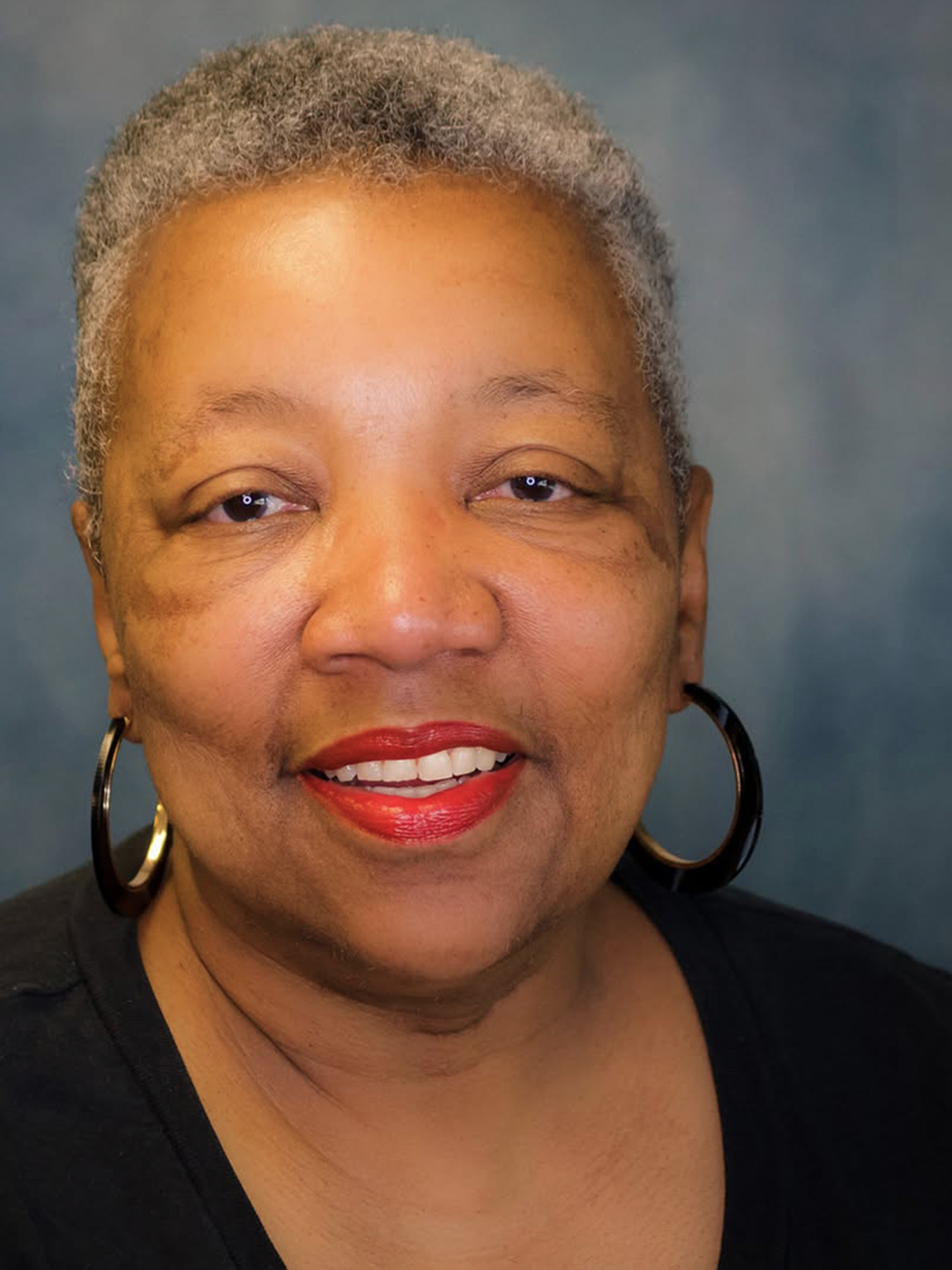
Rooted in love: Mary Kult’s magic kindergarten classroom leads with love

By Kate H. Elliott

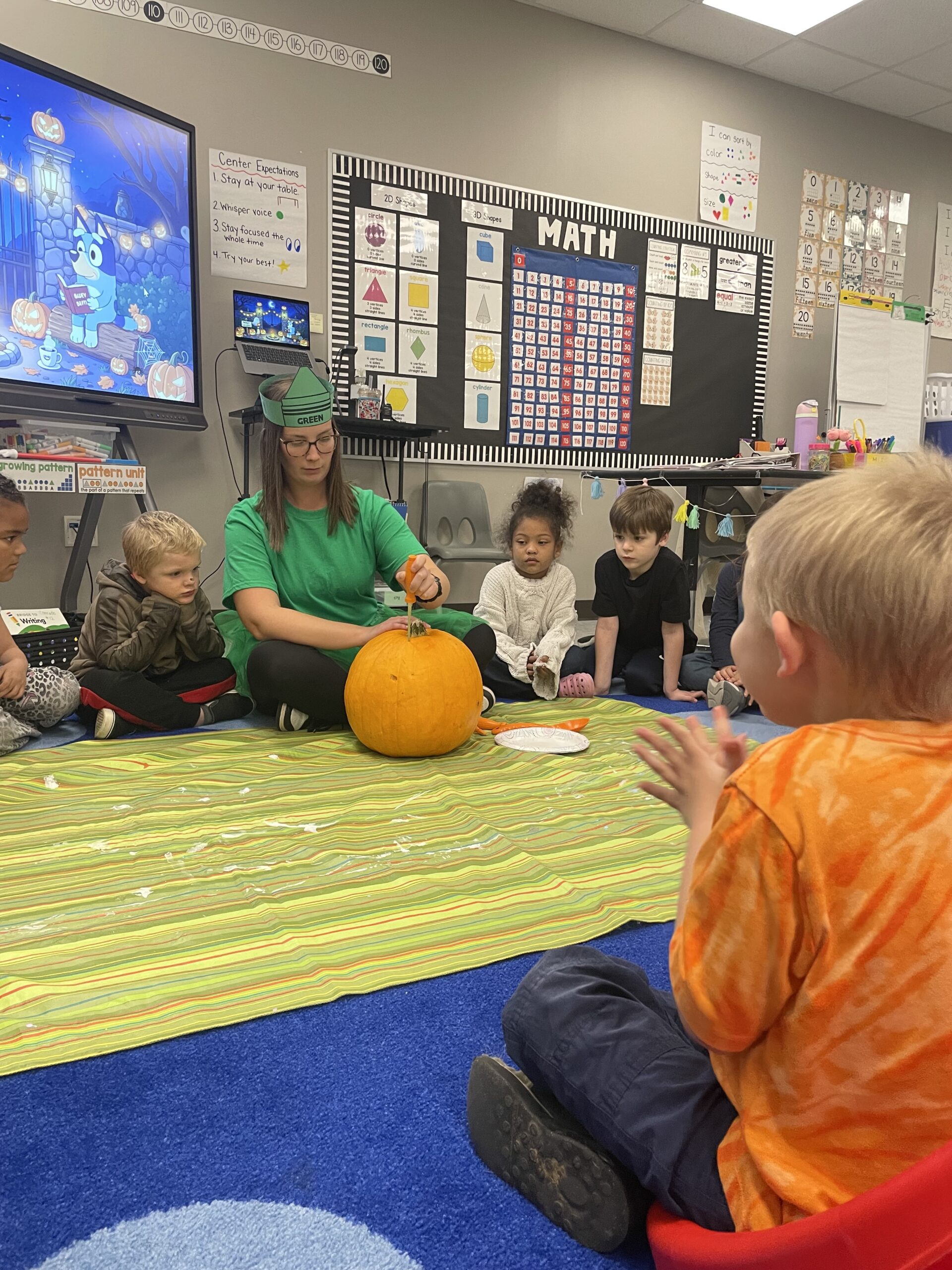
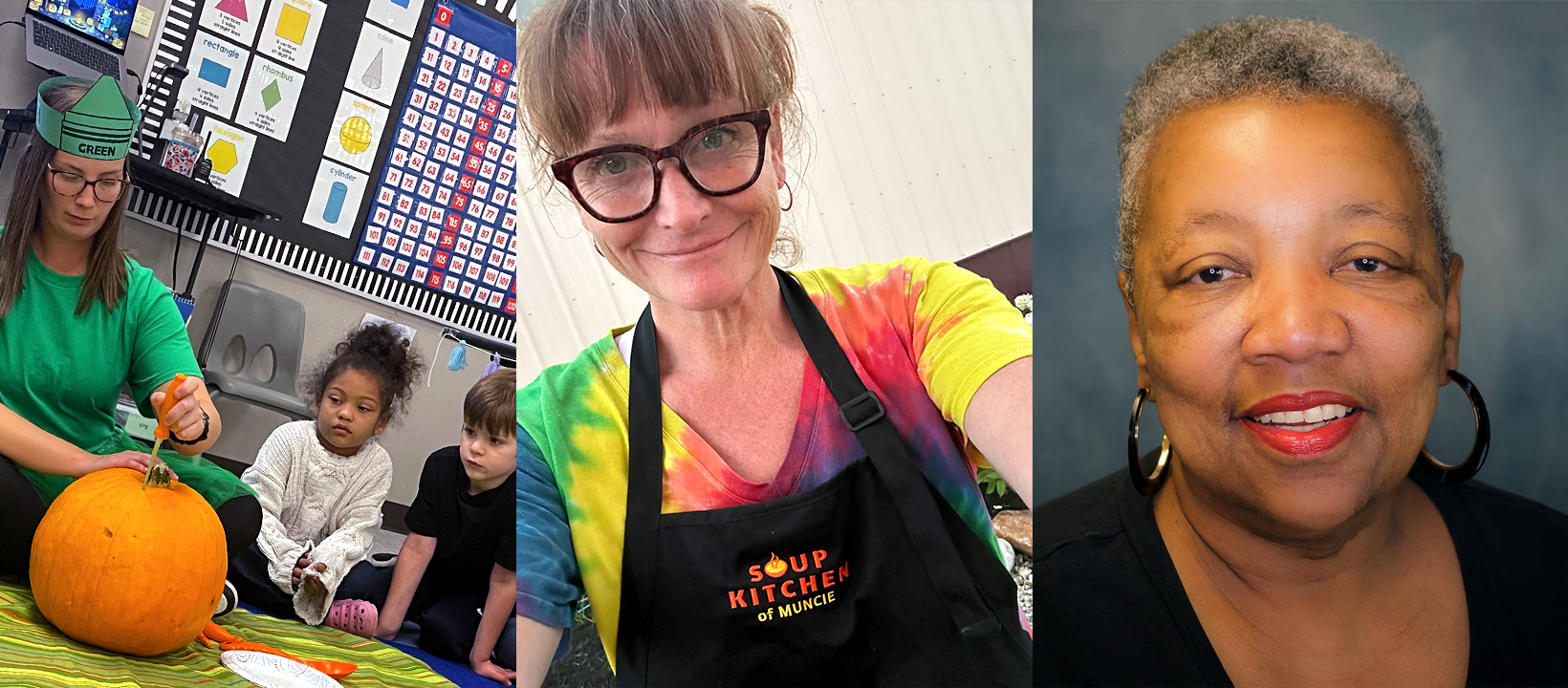
Mary Kult sits on a colorful floor surrounded by attentive children who watch her carve a pumpkin

Nearly every day, young Mary Kult would climb into a treehouse built into the corner of her kindergarten classroom. She’d sink into a bean bag to eat with the very hungry caterpillar or chant with wild things.

“My kindergarten teacher had a lasting impact on me,” Mary said. “She was kind, caring and fostered my love of books. Because of her, I wanted to become a teacher, to create a classroom that is safe, caring, loving and kind. One where students leave each day feeling loved, fed and cared for, knowing I will be there for them again tomorrow.”

Mary has built that space during the past eight years as a kindergarten teacher at South View Elementary. Muncie Community Schools honored her efforts and selfless energy with the 2024-25 Teacher of the Year for primary grades. MCS Director of Public Education and CEO Chuck Reynolds said Kult is a model educator.

“She loves our kids, and they adore her,” he said. “She is exceptional at classroom management, successfully meeting every student’s individual needs. Her positive attitude is infectious among her colleagues, who also credit her with incredible leadership and family engagement abilities.”

South View Principal Casey Smitherman said, “watching Mary in action is pure magic.”

Mary said each student in her classroom is “there for a reason” and it’s an honor to support them through this foundational year. She leads with love—on their best days, when they light up after grasping a new concept, and on their hardest days, when focus feels just out of reach. No matter the day or situation, she said, her students know they are safe, valued and free to be themselves.

“The relationships I have built over the years matter most to me,” said Mary, who graduated from Ball State with a bachelor’s in early childhood education and a master’s in education, with a focus on literacy and reading. “It’s so fun to have relationships with students across all grade levels. To have fifth-grade students come to my classroom door to say, ‘good morning’ is one of the best moments of my day.”

It is because of those deep bonds that she knows many of her students attend the Boys and Girls Clubs of Muncie, either after school, on weekends or during the summer. Mary said she will give her $20 to the nonprofit, which provides a safe and enriching environment for hundreds of young people in Delaware County.

“The Boys and Girls Clubs of Muncie has a direct impact on the students I work with each day. They offer after school care, homework help and summer programs, and my students make close friendships with their peers and the adults who work there,” said Mary, who is from Bloomington, Indiana. “The organization provides kids of all ages with fun, engaging opportunities, and families trust the organization and want to send their kids there.”

Mary was particularly impressed when the Boys and Girls Clubs of Muncie began sending a representative to recess at South View. Each day, the person leads students in structured group activities to help curb any unwanted behavior that can emerge during free play, she explained.

“I hope this inspires others to invest in their after school and summer programming,” she said. “So many local kids go there throughout the year, and it impacts so many local families in a positive way.”

The Boys and Girls Clubs of Muncie, Mary said, shares her vision to educate and support students but to also equip them with the tools and outlook necessary to be productive and engaged citizens.

“I teach to make a difference in the lives of kids, and then I hope they carry their knowledge, friendships and lessons learned into adulthood, as they become contributing members of our community and inspire the next generation.”

To learn more about the Boys and Girls Clubs of Muncie, go to https://bgcmuncie.org/.

Thank you to Muncie Action Plan and CenterPoint Scholars for supporting these small but meaningful investments in community.

Twenty Forward

twenty forward header image

The 2025-2026 CenterPoint Scholars focused on Communication and Connection. They contracted with Kate Elliott, associate lecturer of journalism at Ball State, to conduct a series of $20 interviews called “Twenty Forward.” Each month, Kate puts $20 in the hands of two Muncie residents and then writes about who or what they support with their modest but meaningful investment in our city.

Read the Twenty Forward Interviews

CATHY LEE | After tragedy, she chose a life without limits READ THE FULL POST
TRAE GREENLEAF | ‘They never had the boots’: Trae Greenleaf champions dignity, housing and hope for Central Indiana families READ THE FULL POST
YVONNNE THOMPSON | From Longfellow to leadership: Yvonne Thompson’s commitment to Muncie children. READ THE FULL POST
MARY KULT | Rooted in love: Mary Kult’s magic kindergarten classroom leads with love. READ THE FULL POST
CHRISTIANA MANN | Hospitality with heart: Christiana Mann invests in Muncie’s most vulnerable. READ THE FULL POST

How Twenty Forward Started… by Kate Elliott

I was nearly eight months pregnant when I moved to Muncie in August 2011. I had never been to Indiana and didn’t know a single Hoosier. That winter, I bundled up my newborn to walk along the White River as I called friends and family. It was a lonely time.

I moved here from a small Georgia town, where I had lived for about four years, knowing all the while that I wanted to move closer to my home state of Missouri. Many of us “short timers” spent our nights and weekends complaining about what the city lacked. We didn’t get involved (maybe it’s easier to complain than to commit). And when you keep one foot out the door, you never truly belong.

Moving to Muncie, I promised myself I would never again treat a city as temporary. I wasn’t sure how long I’d stay, but I was determined to make Muncie my home. 

But I was greeted with “Why’d you move to Muncie?” Colleagues warned us about the schools, and realtors suggested homes in “nice, nearby towns.” Neighbors complained about potholes and politics, a lack of culture and nightlife.

Oh, no. Not again.

Muncie isn’t perfect (no city is), but I refused to join in the chorus of criticism. That wasn’t blind loyalty — it was a decision — to participate rather than to detach. To ask not, “What’s wrong here?” but “What can we build here, and who will join us?” Cities rarely change because of a grand gesture. They evolve because ordinary people show up — to volunteer, to support local businesses, to mentor children and to talk with neighbors. 

So, I showed up. 

I joined nonprofit boards and came up with a simple, story-filled way to meet neighbors and to invest in the city: I’d offer people $20 to give to a person or organization and then write about their modest but meaningful investments. My first interview was with a gardener who gave her $20 to a neighbor, who bought seeds for a school garden to teach kids math.

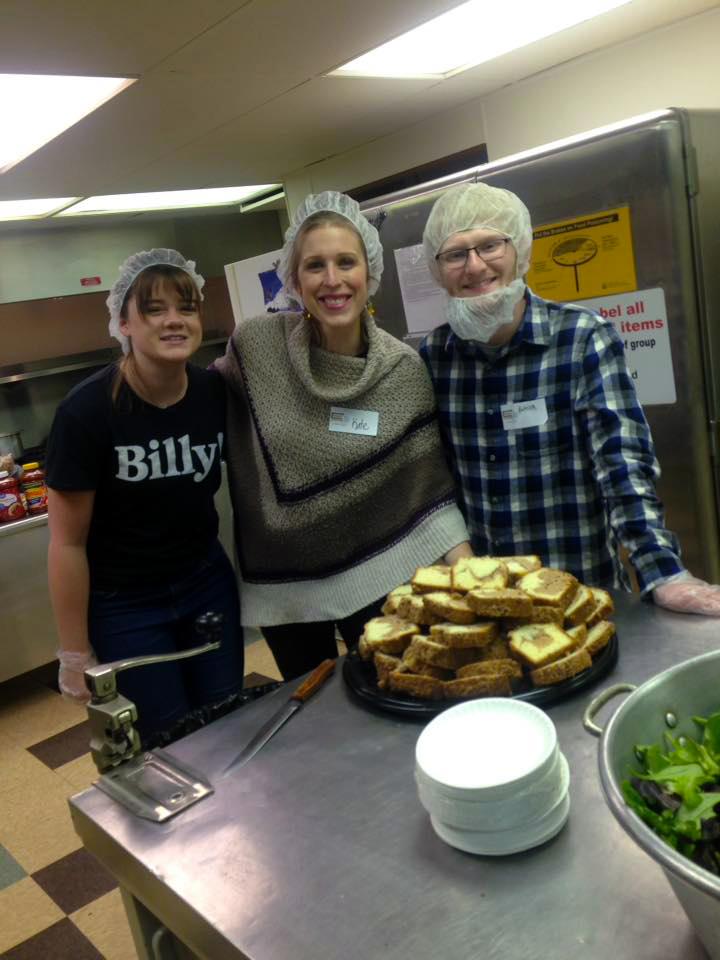
Kate Elliott stands with two other people in a community kitchen. They are all wearing hair nets and smiling widely at the camera

Twenty dollars won’t fix potholes or solve politics, but it can spark connection. It can remind us that everyone has a story and that communities are built through small, steady acts of service and generosity.

The Muncie Action Plan and CenterPoint Scholars have partnered to support this project. Together, we look forward to sharing stories about your neighbors and their passions — not to ignore what Muncie lacks but to celebrate what it already holds, and what we can grow together.

Choose an Interview:

A headshot of Kate Elliott, a woman with light brown hair and light skin in a pink top with a folded collar.

The 5:50 Alliance Free Food Fridge: Bridging the gap in food insecurity

An open fridge filled with milk and other staple foods

Article by Napoleon Price Jr., CenterPoint Scholar Alumnus

The 5:50 Alliance Free Food Fridge aims to bridge the gap in food insecurity by providing essential ingredients such as meats, proteins, and fresh produce. We believe that sharing a meal fosters the communication and sense of belonging necessary to sustain a community. The concept is simple: we stock the fridge, and it remains available to anyone in need. By eliminating most barriers to access, we only require a household count and zip code. This allows us to track our impact, which currently exceeds 31,000 pounds of food provided to residents from various areas.

Our mission is powered entirely by volunteers whose dedication turns this concept into a daily lifeline. Their efforts have transformed the Common Market into a hub of mutual support where neighbors look out for one another. We would like to extend a special thanks to the YMCA for supporting our first non-perishable food drive this January. While many individuals have contributed to this project’s success, please know that your influence is deeply appreciated.

For those interested in volunteer opportunities, please contact me at napoleonprice7@gmail.com or follow the Common Market Muncie IN on Facebook. Monetary donations can be made directly to curehunger.org by mentioning the 5:50 Alliance at the Common Market.


CenterPoint Scholars is a program of the Muncie Action Plan, funded through generous support from the CenterPoint Energy Foundation and the City of Muncie. 5:50 Alliance is one of the 2 groups of the Inaugural Center Point Scholars program

The Helping House: Building Community Through Compassion

Dottie Kreps, Community Engagement Specialist accepting CPS donations for the Maring-Hunt Location

Article by Alexis Dishman | CenterPoint Scholars 2024-2025 cohort

When I was selected to be part of the inaugural CenterPoint Scholars 2024-2025 cohort, I knew the experience would be one of learning, growth, and collaboration. What I didn’t anticipate was how deeply meaningful the journey would become or that it would lead to the creation of a project rooted so strongly in empathy, dignity, and community connection.

As part of the program, we were tasked with forming small groups to identify and address a pressing need within our community. While there were many important issues to consider, our group quickly found common ground around one that felt both urgent and deeply personal: food insecurity.

Our conversations revealed that food insecurity looks different for everyone. For some, it meant growing up in a household where food was often scarce. Others shared experiences of needing just one or two ingredients to complete a meal. Some group members had never personally faced food insecurity but were eager to learn and understand its broader impact. Through open and honest dialogue, we began to recognize not only the lack of food itself, but also the stigma that too often accompanies asking for help.

From these discussions, The Helping House was born.

The Helping House is designed to address food insecurity in a way that is welcoming, accessible, and free of judgment. It offers a standalone structure where individuals can access non-perishable food items and hygiene products through a simple, respectful process that honors personal dignity and autonomy.

Each Helping House structure is painted with unique, vibrant scenes meant to spark curiosity, warmth, and engagement. These designs help shift the experience from one of need to one of connection, making the act of taking or exchanging food and hygiene items feel uplifting, human, and community-centered rather than transactional or stigmatizing.

Every detail of The Helping House was created with intention – including our logo. The calming blue color represents peace and stability, while the dove symbolizes hope, love, and new beginnings. What began as a group assignment quickly became a shared passion. Our planning meetings evolved into safe spaces for laughter, conversation, and genuine connection. The Helping House became more than a project, it became a reflection of the community we hoped to build.

The inspiration behind The Helping House comes from the concept of a Little Free Library – small neighborhood book exchanges where people are encouraged to take what they need and leave what they can. We embraced this honor-system model and reimagined it with non-perishable food and essential items, creating a space that is available, accessible, and rooted in trust.

Today, we are proud to have one Helping House structure in place at the Muncie Public Library / Maring-Hunt Library, with plans underway to establish a second location. Each new structure represents another opportunity to reduce barriers, meet needs, and strengthen community bonds.

Looking ahead, we are fully committed to keeping our Helping House structures stocked, maintained, and accessible for the long term. Our hope is to continue raising awareness about these resources while expanding their presence throughout the community. By installing additional structures and increasing visibility, we aim to ensure that more individuals know support is available quietly, consistently, and without judgment. The Helping House stands as a reminder that addressing food insecurity isn’t just about providing food, it’s about offering compassion, restoring dignity, and creating spaces where people feel supported and seen.

Our Helping House is now open at Muncie Public Library – Maring-Hunt Branch (2005 S. High St., Muncie, IN 47302). Community members are encouraged to donate items or take what they need. Learn more and follow our journey by visiting our Facebook Page – www.facebook.com/TheHelpingHouseMuncie


CenterPoint Scholars is a program of the Muncie Action Plan, funded through generous support from the CenterPoint Energy Foundation and the City of Muncie.