The 2025-2026 CenterPoint Scholars focused on Communication and Connection. They contracted with Kate Elliott, associate lecturer of journalism at Ball State, to conduct a series of $20 interviews called “Twenty Forward.” Each month, Kate puts $20 in the hands of two Muncie residents and then writes about who or what they support with their modest but meaningful investment in our city.
Read the Twenty Forward Interviews
| DANIELLE HEIMLICH | A Mural of Memories: A childhood spent learning, playing and serving at the Ross Community Center inspires a 15-year-old’s vision to bring people together through art. READ THE FULL POST |
| LAUREN PRAZEAU | Fueling Hope: How LifeLine Pilots Connect Families with Medical Care READ THE FULL POST |
| CHIP TAYLOR | Level up your civic management: Muncie Waypoint Program turns civic engagement into a tangible, rewarding challenge READ THE FULL POST |
| CATHY LEE | After tragedy, she chose a life without limits READ THE FULL POST |
| TRAE GREENLEAF | ‘They never had the boots’: Trae Greenleaf champions dignity, housing and hope for Central Indiana families READ THE FULL POST |
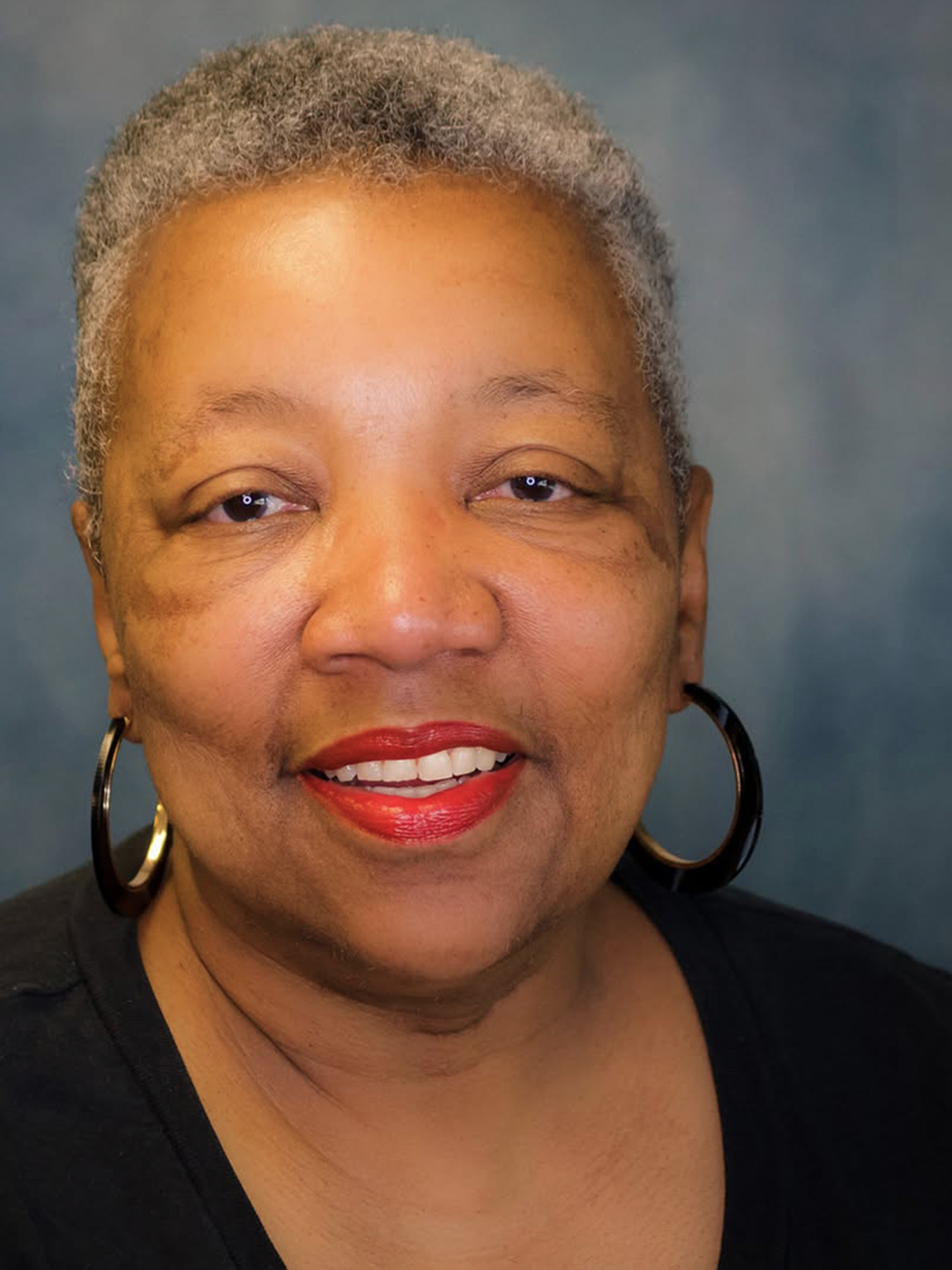
| YVONNNE THOMPSON | From Longfellow to leadership: Yvonne Thompson’s commitment to Muncie children. READ THE FULL POST |
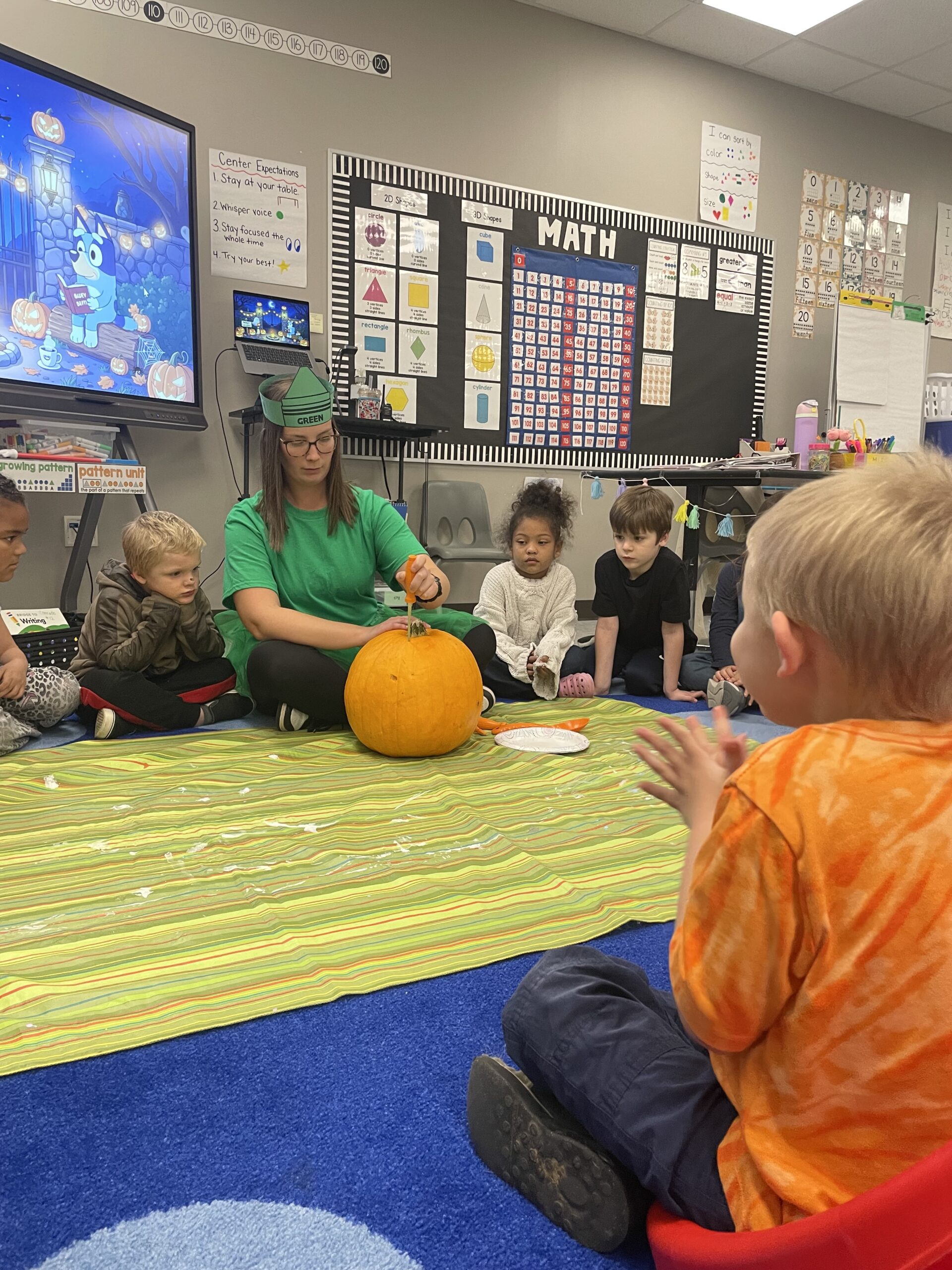
| MARY KULT | Rooted in love: Mary Kult’s magic kindergarten classroom leads with love. READ THE FULL POST |
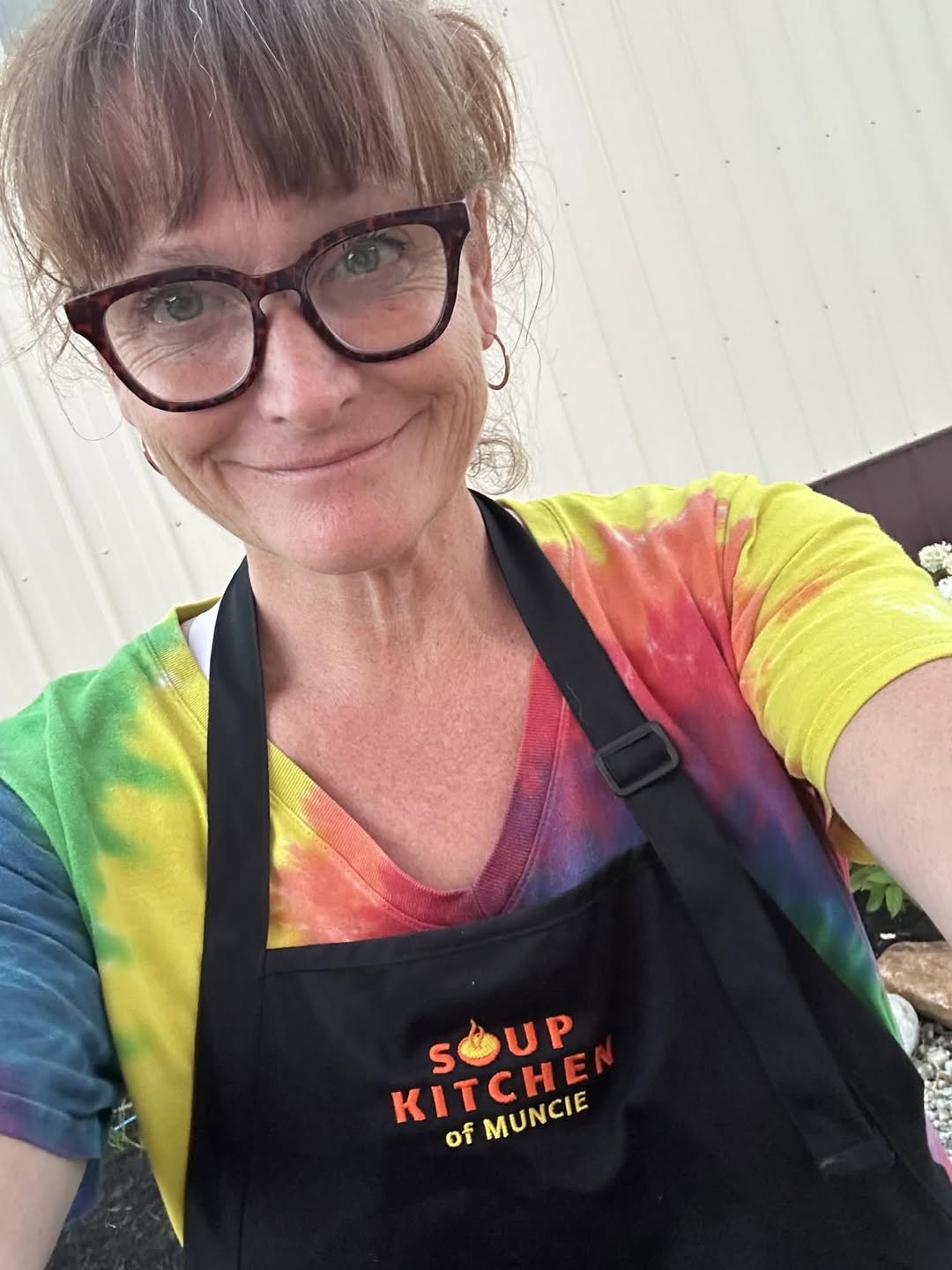
| CHRISTIANA MANN | Hospitality with heart: Christiana Mann invests in Muncie’s most vulnerable. READ THE FULL POST |
How Twenty Forward Started… by Kate Elliott
I was nearly eight months pregnant when I moved to Muncie in August 2011. I had never been to Indiana and didn’t know a single Hoosier. That winter, I bundled up my newborn to walk along the White River as I called friends and family. It was a lonely time.
I moved here from a small Georgia town, where I had lived for about four years, knowing all the while that I wanted to move closer to my home state of Missouri. Many of us “short timers” spent our nights and weekends complaining about what the city lacked. We didn’t get involved (maybe it’s easier to complain than to commit). And when you keep one foot out the door, you never truly belong.
Moving to Muncie, I promised myself I would never again treat a city as temporary. I wasn’t sure how long I’d stay, but I was determined to make Muncie my home.
But I was greeted with “Why’d you move to Muncie?” Colleagues warned us about the schools, and realtors suggested homes in “nice, nearby towns.” Neighbors complained about potholes and politics, a lack of culture and nightlife.
Oh, no. Not again.
Muncie isn’t perfect (no city is), but I refused to join in the chorus of criticism. That wasn’t blind loyalty — it was a decision — to participate rather than to detach. To ask not, “What’s wrong here?” but “What can we build here, and who will join us?” Cities rarely change because of a grand gesture. They evolve because ordinary people show up — to volunteer, to support local businesses, to mentor children and to talk with neighbors.
So, I showed up.
I joined nonprofit boards and came up with a simple, story-filled way to meet neighbors and to invest in the city: I’d offer people $20 to give to a person or organization and then write about their modest but meaningful investments. My first interview was with a gardener who gave her $20 to a neighbor, who bought seeds for a school garden to teach kids math.
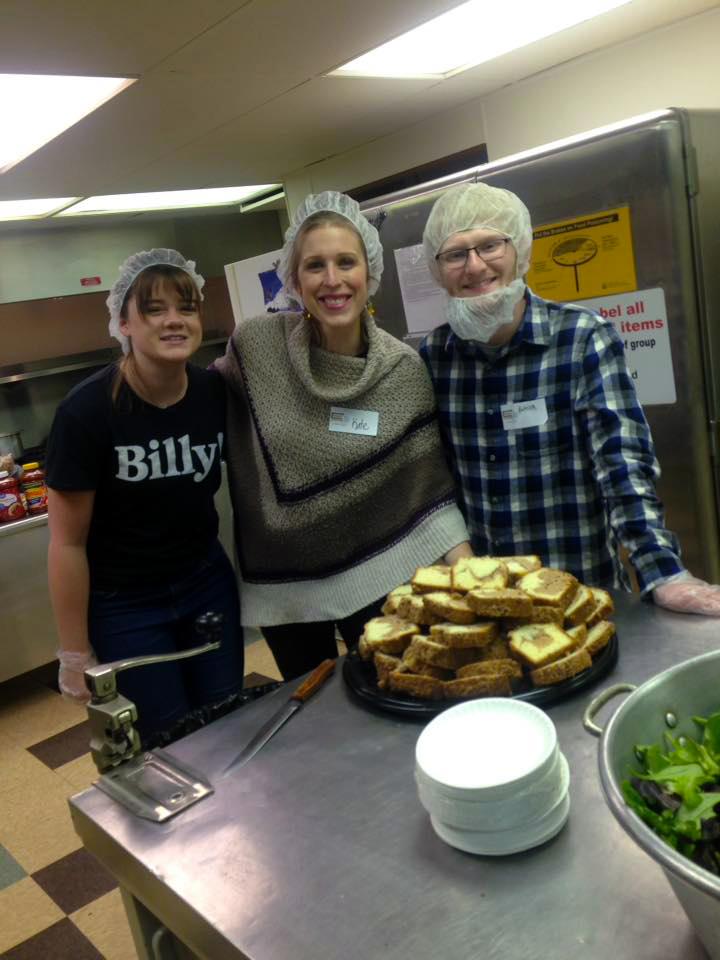
Twenty dollars won’t fix potholes or solve politics, but it can spark connection. It can remind us that everyone has a story and that communities are built through small, steady acts of service and generosity.
The Muncie Action Plan and CenterPoint Scholars have partnered to support this project. Together, we look forward to sharing stories about your neighbors and their passions — not to ignore what Muncie lacks but to celebrate what it already holds, and what we can grow together.
Choose an Interview:
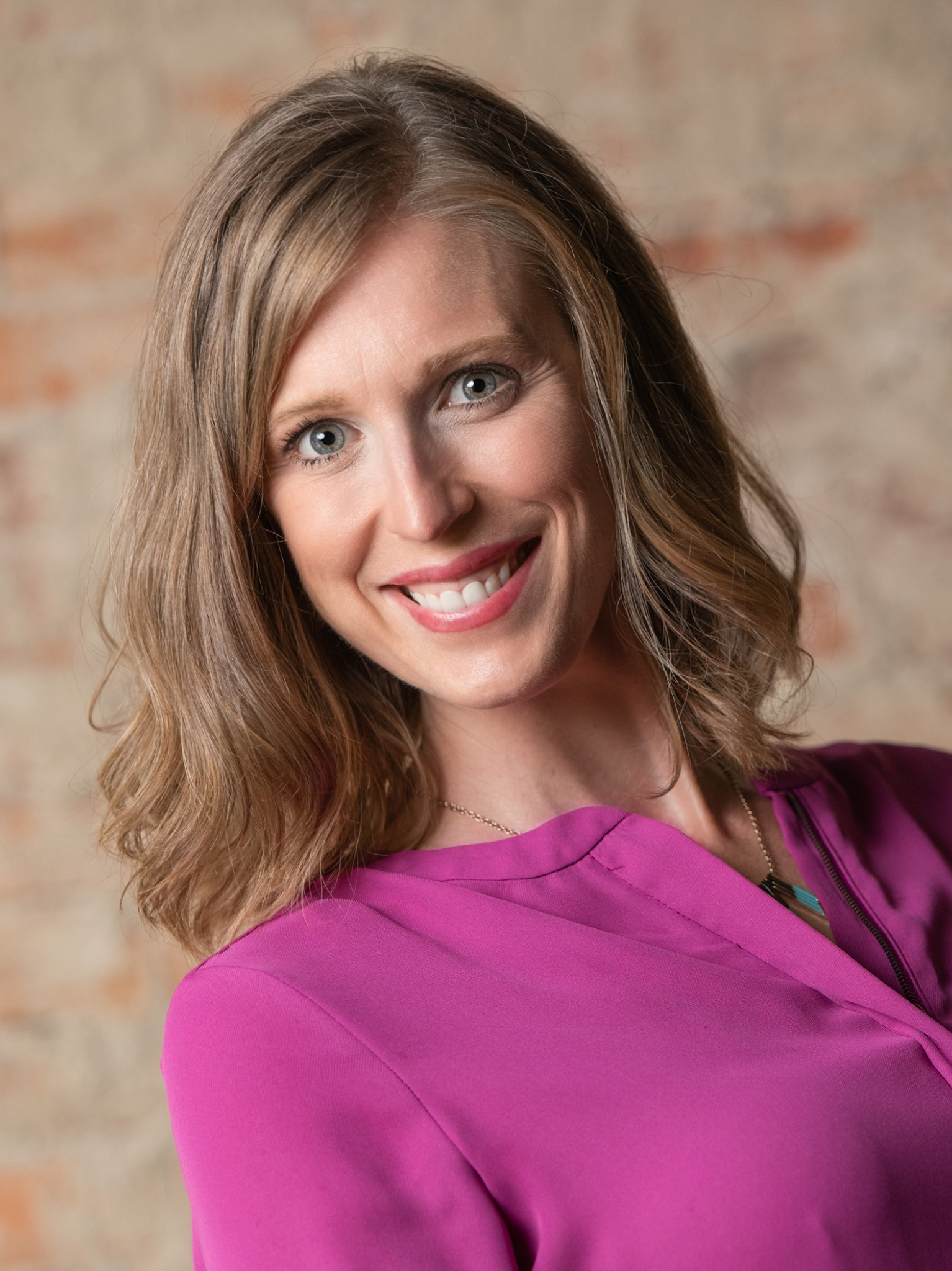
“I’ve lived in Muncie now for 16 years, and I love it. My kids and I can walk to work and school. We frequent its cultural and artistic treasures like the David Owsley Museum of Art, the Charles W. Brown Planetarium, Minnetrista Museum and Gardens, and Ball State Theater and Dance.
We love the downtown concerts, local coffee shops, parks and Cardinal Greenway. I can ride my bike most anywhere, the cost of living is low, and our friends and neighbors are salt-of-the-earth folks who know what matters in life.
Our community leaders roll up their sleeves to rewrite Muncie’s story, rebounding after decades of deindustrialization. I’m proud to be part of this work now and in the future.”
— Kate Elliott