The 2025-2026 CenterPoint Scholars focused on Communication and Connection. They contracted with Kate Elliott, associate lecturer of journalism at Ball State, to conduct a series of $20 interviews called “Twenty Forward.” Each month, Kate puts $20 in the hands of two Muncie residents and then writes about who or what they support with their modest but meaningful investment in our city. Read the project introduction to learn more.
A Mural of Memories
A childhood spent learning, playing and serving at the Ross Community Center inspires a 15-year-old’s vision to bring people together through art.
By Kate H. Elliott
programs. The people are all so nice, and it’s reassuring to know there is a place for you to go where people care about you, really care.”
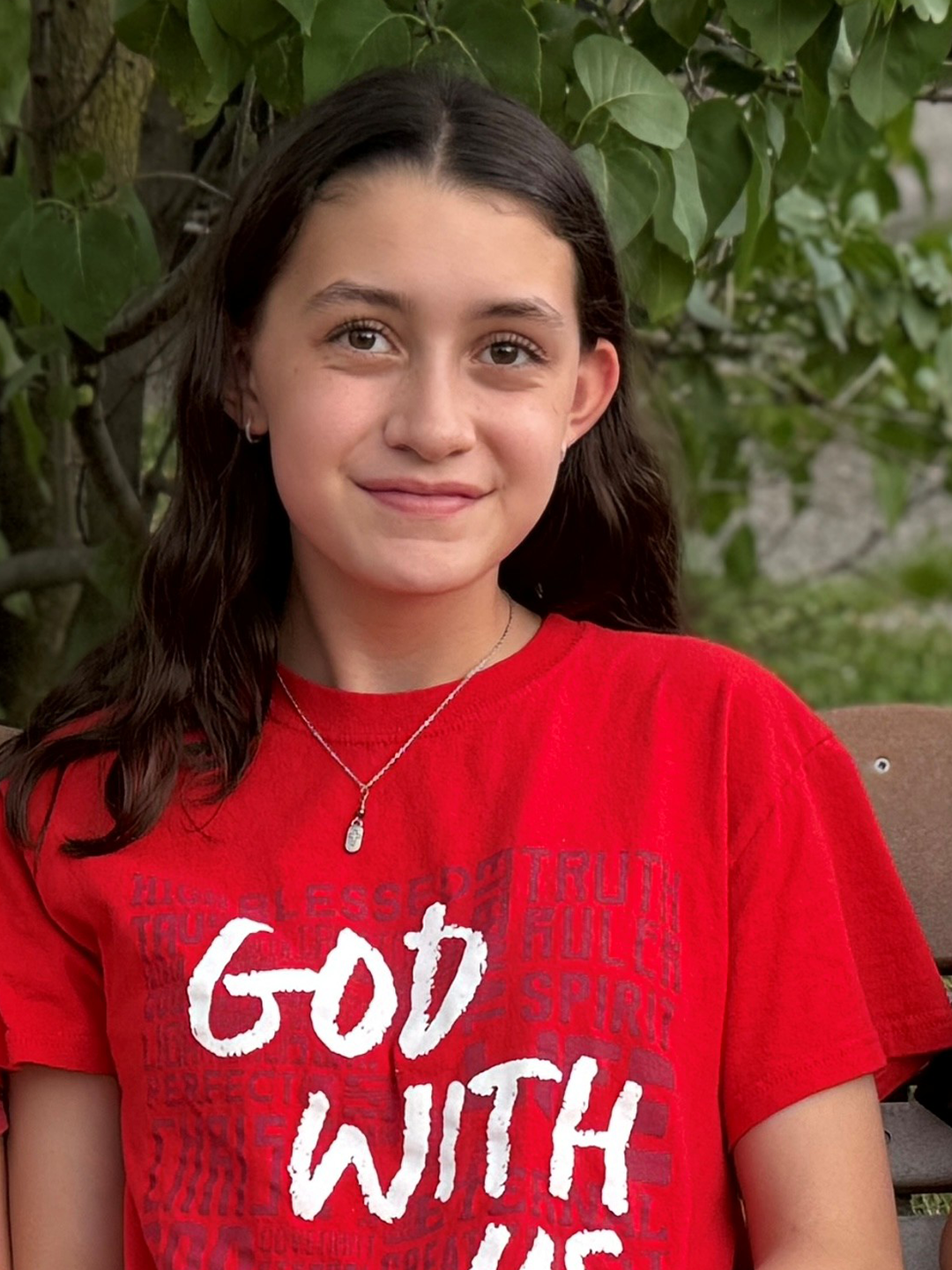
Now, Danielle wants to give back to the community hub that shaped her.
The 15-year-old is rally support for a mural on an outer wall of the Ross Center, which provides low- to no-cost programs, services and activities that advance education, lifelong learning, health and wellness.
“I want to get all the people — young and old — who have been or are part of the Ross Center together to paint beautiful flowers and a quote on one of the walls,” she said. “The mural will remind everyone how much this place means to the community, and it will be fun for us all to know that we made this beautiful thing together.”
Is she an artist? Kind of.
Is that stopping her? No.
A colorful concept
The idea took shape in March at Muncie’s IDEA Conference, which brings Muncie leaders and neighbors together to listen, learn and dream about ways to enhance the community.
Danielle attended the conference as part of the CenterPoint Scholar program — a year-long leadership academy for dedicated resident leaders who want to improve the quality of life in their neighborhoods. Upon completion of the program, each scholar receives $500 to spend on a community project.
“I was brainstorming with a neighbor about important places in the community, and he suggested a mural. He couldn’t be in the CenterPoint program, so I told him I would take on the project,” she said.
Danielle has until December 2027 to spend the funds but hopes to complete the mural by next summer or fall.
She’s asked local artist Leon Crosby to create an outline, then plans to invite residents to paint within the lines — “kind of like paint-by-number,” she said.
Danielle is open to anything, but she would love to the mural to include her favorite flowers, peonies and lilies, and a motivational quote, “to remind people they are important and part of something bigger.”
As her plan develops, Danielle workshops ideas and seeks guidance at CenterPoint Scholar’s monthly meetings, where participants discuss issues and needs in Muncie and how their projects can address them. The program also includes leadership training, a two-day retreat in April and opportunities to connects with area nonprofits and resources.
“I love my fellow scholars. They are all older than me, but they are so supportive and don’t treat me like a kid,” she said. “This program is giving me confidence and the connections to continue to make a difference in the community and for my future job.”
Her $20 investment
Danielle is giving her $20 to the Ross Community Center because of how important the center has been to her family, especially her “Lola,” the Filipino word for “grandmother.”
“My family had to move to a bigger home because there are 11 of us, but my grandmother still lives near the Ross Center, and I know she benefits from it and likes knowing that good, helpful people are just down the street.”
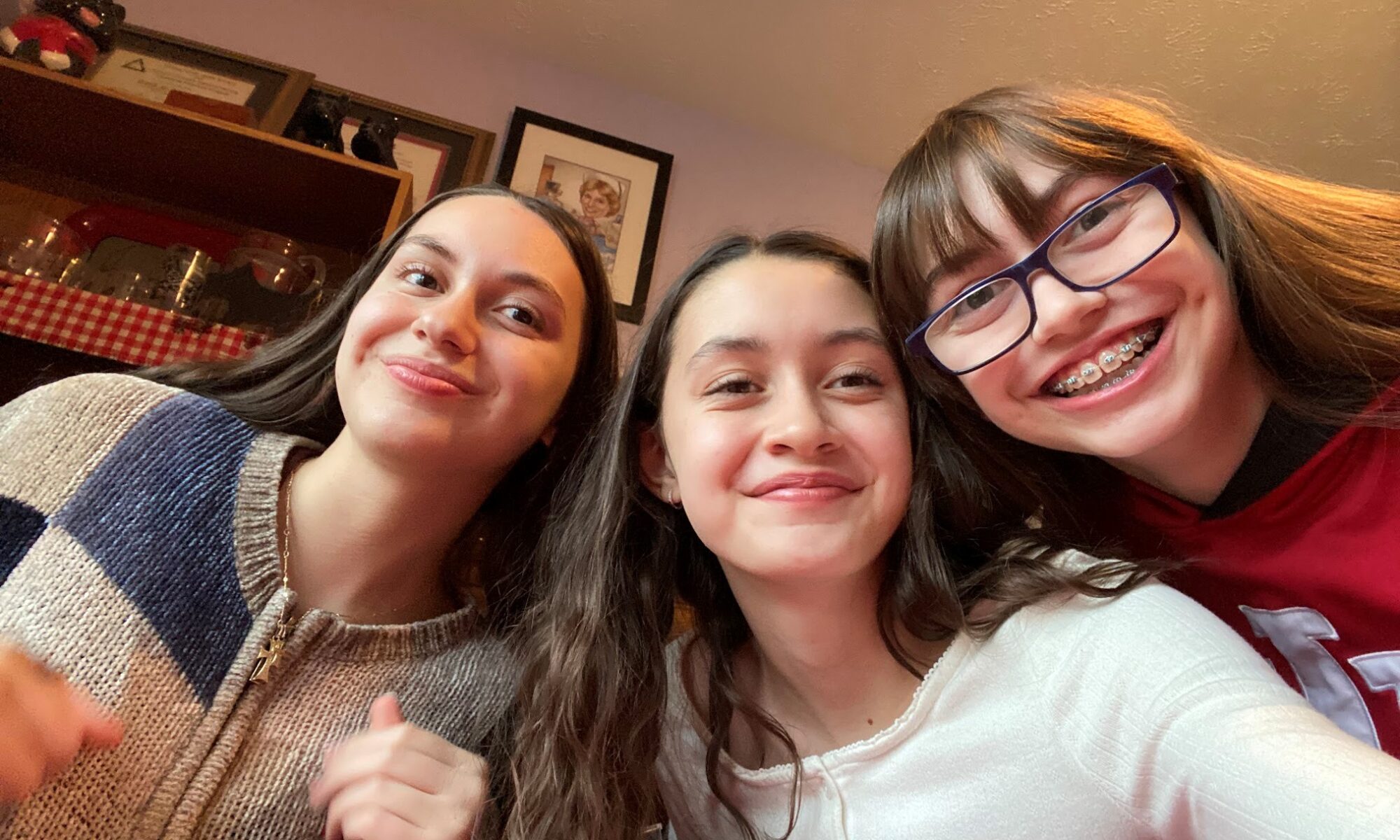
Every week, Danielle and three of her sisters, hand quilt with their Lola. The group’s first project was finishing a quilt started by Danielle’s great grandmother. Now, Danielle is working on a Winnie-the-Pooh baby blanket for family friends.
Time with her grandmother has also inspired Danielle’s dream to open a bakery in Muncie.
“My grandmother is an amazing cook. My favorite thing she makes is adobo and rice, which is a staple in the Philippines, where she is from and met my grandfather when he was there serving in the military. She worked at a diner, and he would come in and flirt with her. She liked his friend, but I guess she ended up liking my grandpa.”
Danielle said she also wants to become a professional viola player. “I love music. I can’t really describe how I feel when I play; it’s just really special,” said Danielle, whose favorite composer is Tchaikovsky.
The avid reader credits her lessons at the Ross Center — and the professional viola players who taught her — with fueling her love for music and her desire to serve others. “Many of the teachers were Ball State music majors. They inspired me and made practice fun,” she said. “I want to honor their dedication to me and others through the mural.”
Learning to make a difference
Those teachers aren’t Danielle’s only inspiration to serve.
Her mother, Michelle Heimlich, homeschools her nine children and works part time for the Muncie Scholar House, which supports single parents pursuing higher education. Danielle’s father, James Heimlich, is an entrepreneur, archaeologist, architectural historian and active community advocate.
“My dad encouraged me to become a CenterPoint Scholar,” she said. “His commitment to the community influences me a lot. When you grow up seeing someone making a difference, you get the impression you can make a difference, too, so I am.” For Danielle, the mural is more than paint on a wall. It is a way to bring people together, add beauty to the neighborhood, and remind everyone who passes that the work happening here matters. She also wants the mural to remind Ross Center employees and volunteers that — like the mural itself — their work lasts and impacts more people than they may realize.
Thank you to Muncie Action Plan and CenterPoint Scholars for supporting these small but meaningful investments in community. Go to Twenty Forward to read this and other stories about what your neighbors are doing with $20.