Twenty Forward > Cathy Lee

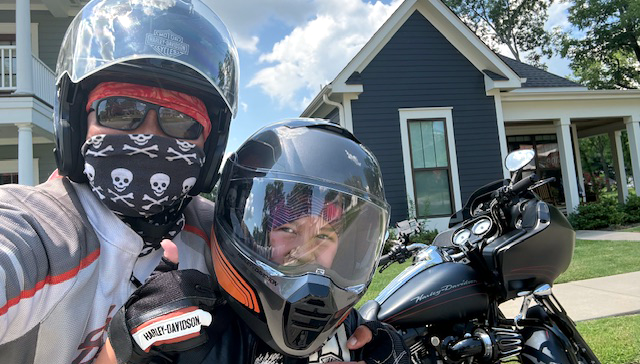
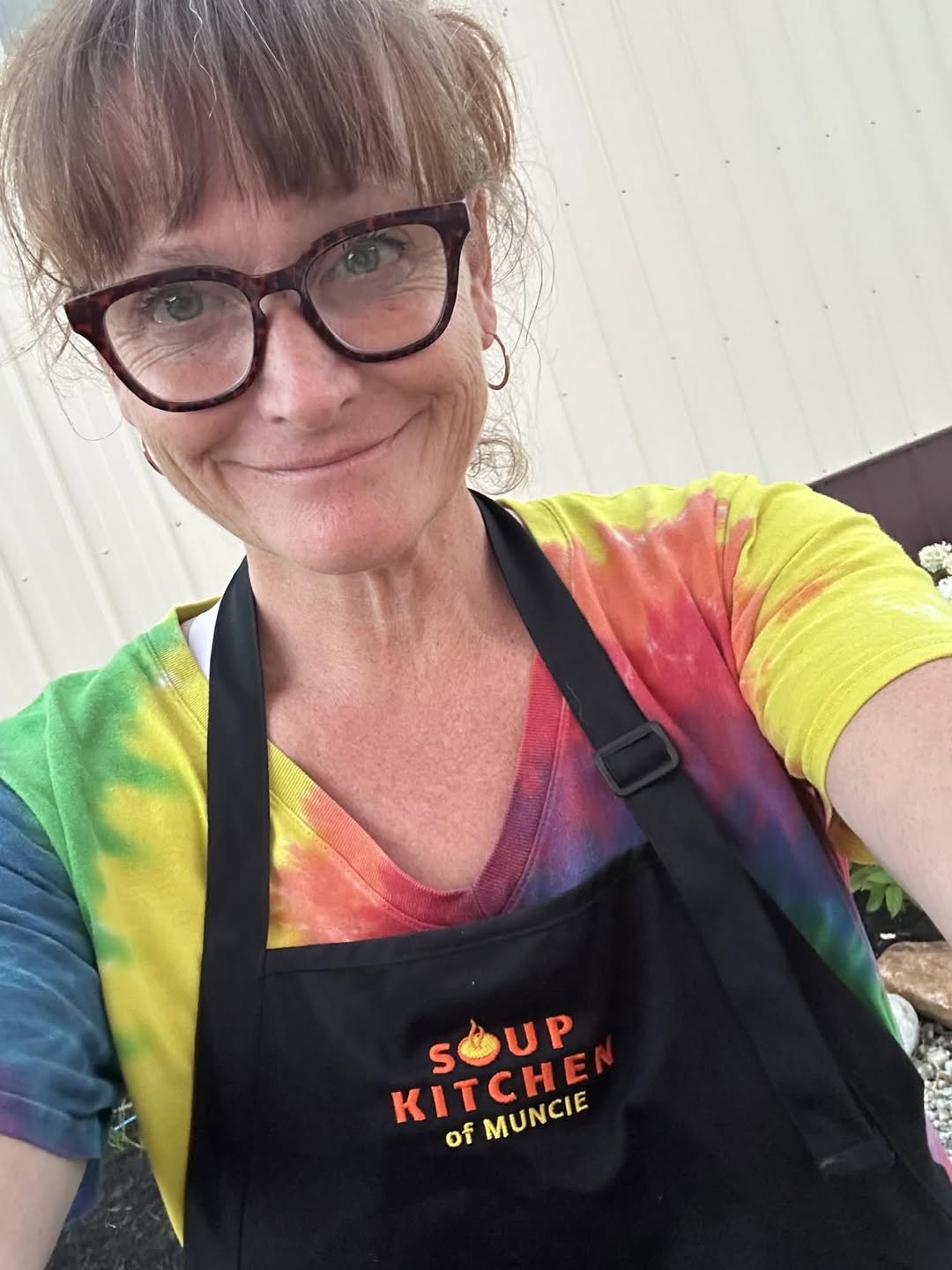
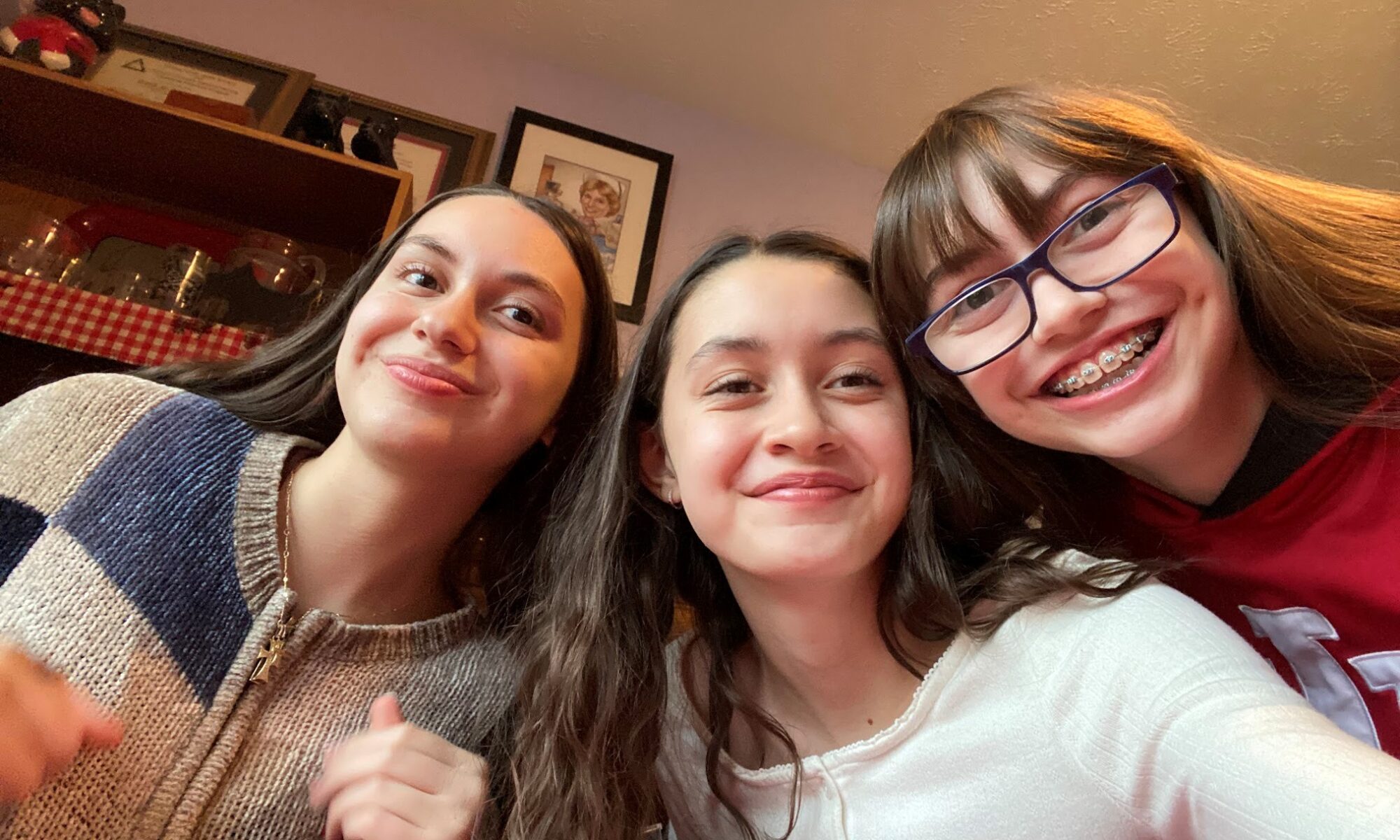
A woman and a child taking a selfie on a motorcycle in front of some houses. Both are smiling and wearing helmets.

The 2025-2026 CenterPoint Scholars focused on Communication and Connection. They contracted with Kate Elliott, associate lecturer of journalism at Ball State, to conduct a series of $20 interviews called “Twenty Forward.” Each month, Kate puts $20 in the hands of two Muncie residents and then writes about who or what they support with their modest but meaningful investment in our city. Read the project introduction to learn more.


After tragedy, she chose a life without limits

By Kate H. Elliott

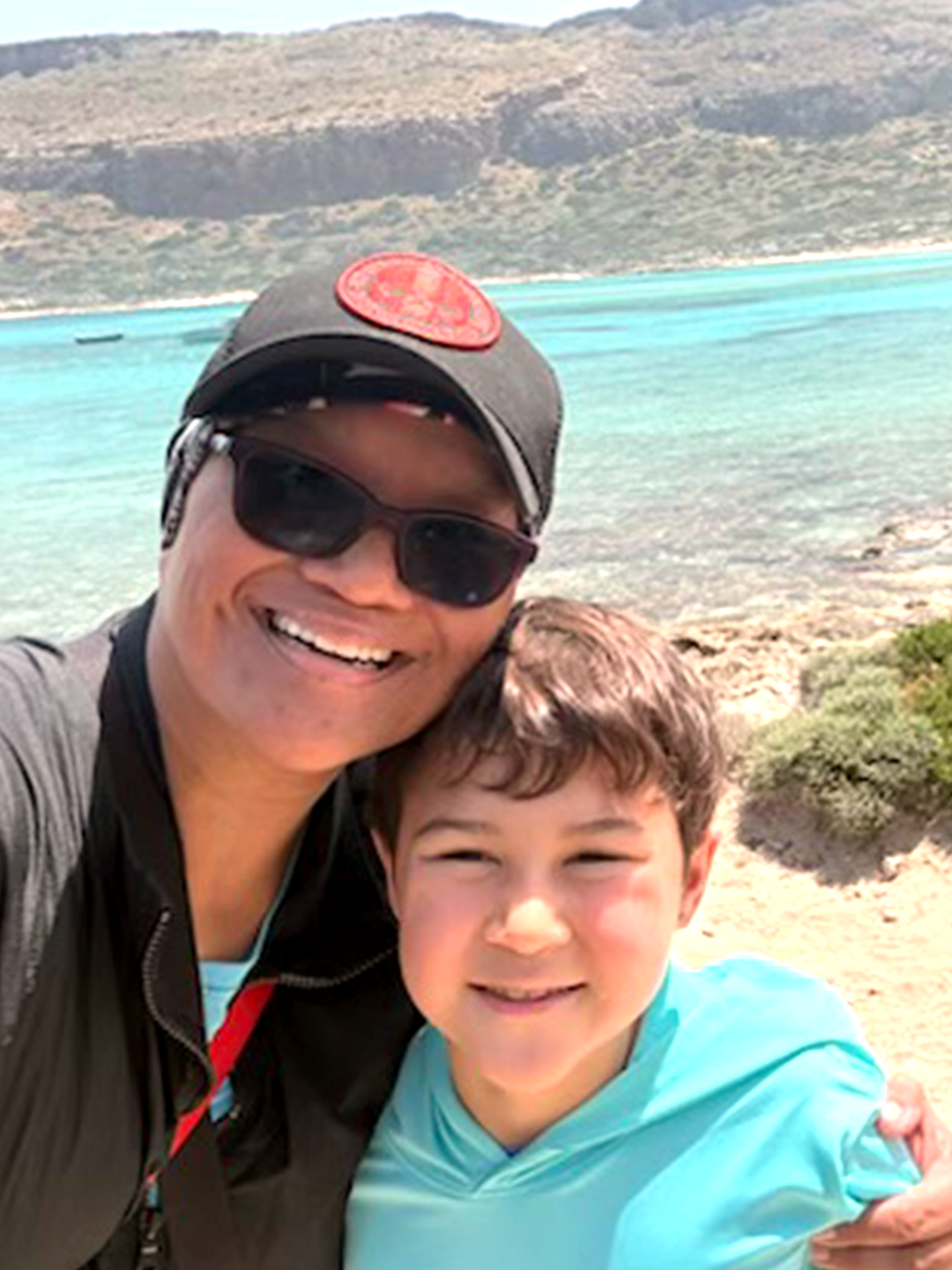
A smiling woman and child taking a selfie against a beautiful beach backdrop

Her younger brother played on the deck while 10-year-old Cathy Lee Arcuino splashed in their backyard pool. “Watch your brother,” her mom said, and she did — until she pulled his limp, 2-year-old body from beneath the surface.

For the next 16 years, Cathy Lee helped her parents clean Rey John’s trach, flush his G-tube and more for eight hours a day before handing off his care to a privately paid nurse for the remaining 16.

“I knew he would never wake up, but I think my mother always held out hope,” Cathy Lee said. “I will never know, though. My parents immigrated to the United States from the Philippines, and in our culture, you don’t talk about it. It was all around us, but we never talked about it.”

When she graduated high school, Cathy Lee desperately wanted to leave Fresno (California). She felt trapped — every day at home was a reminder that Rey John drowned on her watch. She did move a few hours away for college but drove six hours every weekend to return to Rey John. One day, she sat beside him and made a pact: “’Please let me go into the Peace Corps,’ I asked him. ‘Then I will come back and fulfil my duty to watch you.’ I don’t know that he heard me, but I felt a peace about going, so I did.”

Cathy Lee boarded a plane for Kazakhstan to live in a remote village, where she “pooped in a hole and wiped my ass with the pages of a Russian book that you’d throw into a basket to burn later for heat.”

A year and a half into her service, Cathy Lee learned that Rey John died.

“It rocked my world,” she said. “But I began to wonder if it was almost a gift to me because he knew I wanted to get out and live — for me and for him. I made a pledge to never live in a coma, to walk around mindlessly like so many people do. I wanted to do something with my life, so I live big and in my own way, bringing Rey John with me everywhere I go. He’s my guardian angel.”

Since then, Cathy Lee has traveled to more than 50 countries, worked for a nonprofit in Kyrgyzstan and taught English in Poland, Thailand and Japan. She rides her Harley across the country, wears clothes with skulls, jewels or both, and collects tattoos that tell the story of her life.

By 35, Cathy Lee had earned a Ph.D. in educational leadership. The following year, she decided she wanted to have a daughter: “I didn’t want a relationship, so I asked my gay best friend, David, to donate his sperm.” A year later, Mirasol, was born.

“Her name means ‘Sun-watcher and sunflower,’ and my nickname for David was ‘Sunflower’ since we met in the Sunflower State (Kansas),” Cathy Lee said. “Mirasol is bright like a sunflower, so her name fits her.”

Mirasol makes her mother proud: “She’s 10 and rocks a pixie cut, has traveled with me to 23 countries, and, in January, won the Martin Luther King Jr. Award for exemplifying the qualities of MLK Jr.”

The two have moved to four states as Cathy Lee has built a career in international education, eventually landing at Ball State University as executive director of Graduate & International Admissions and Services.

“I oversee Ball State’s graduate and international admissions and supports international students before, during and after enrollment,” she explained. “I love and live for working with students — both helping international students adjust to life and learning in the United States and helping American students explore overseas.”

Cathy Lee will invest her $20 in Ball State’s Rinker Center for Global Affairs to support students studying abroad. Pushing out of one’s comfort zone is Cathy Lee’s greatest advice to students: “It might be community service in your town, a mission trip to a Native American reservation or a study abroad experience. These all provide you with opportunities to get outside yourself, which enriches your life in unimaginable ways.”

The more different the experience is from your life, the better, she said. “Go to a country that speaks another language or go poop in that hole,” she said. “Those experiences test you, stretch you and often make you more grateful and resilient and interesting.”

Then, she tells students to make a difference — not necessarily in a big way but in some way. “Sometimes the small things are the big things,” she said, “Don’t minimize showing up for people or helping neighbors and loved ones. We can all do good and be good.”

And when others aren’t good to you, lead with questions, she advises, after a lifetime of people assuming she can’t speak English or is not from America. At a Kansas grocery store, a woman asked her, ‘Where is the rice you all cook in China, and how do you cook it?”

“I have learned to respond with questions or a story so people can better understand my experience or stance,” she said. “I’ve found that approach leads to more empathy and understanding.”

Cathy Lee gathers stories through travel and connections with others. “This is why I love my job,” she said. “Every day, I get to talk with students, hear their stories, and empower them and provide support. I get to watch them dream and go and grow.

Those meaningful connections are Cathy Lee’s way of “doing good” in the world. “I wasn’t able to make a connection with my brother, so I make connections with others and the world. That passion for life and people helps me make meaning of tragedy.”


Thank you to Muncie Action Plan and CenterPoint Scholars for supporting these small but meaningful investments in community. Go to Twenty Forward to read this and other stories about what your neighbors are doing with $20.
Twenty Forward > Tracina Greenleaf

twenty forward header image

The 2025-2026 CenterPoint Scholars focused on Communication and Connection. They contracted with Kate Elliott, associate lecturer of journalism at Ball State, to conduct a series of $20 interviews called “Twenty Forward.” Each month, Kate puts $20 in the hands of two Muncie residents and then writes about who or what they support with their modest but meaningful investment in our city. Read the project introduction to learn more.


‘They never had the boots’: Trae Greenleaf champions dignity, housing and hope for Central Indiana families

By Kate H. Elliott

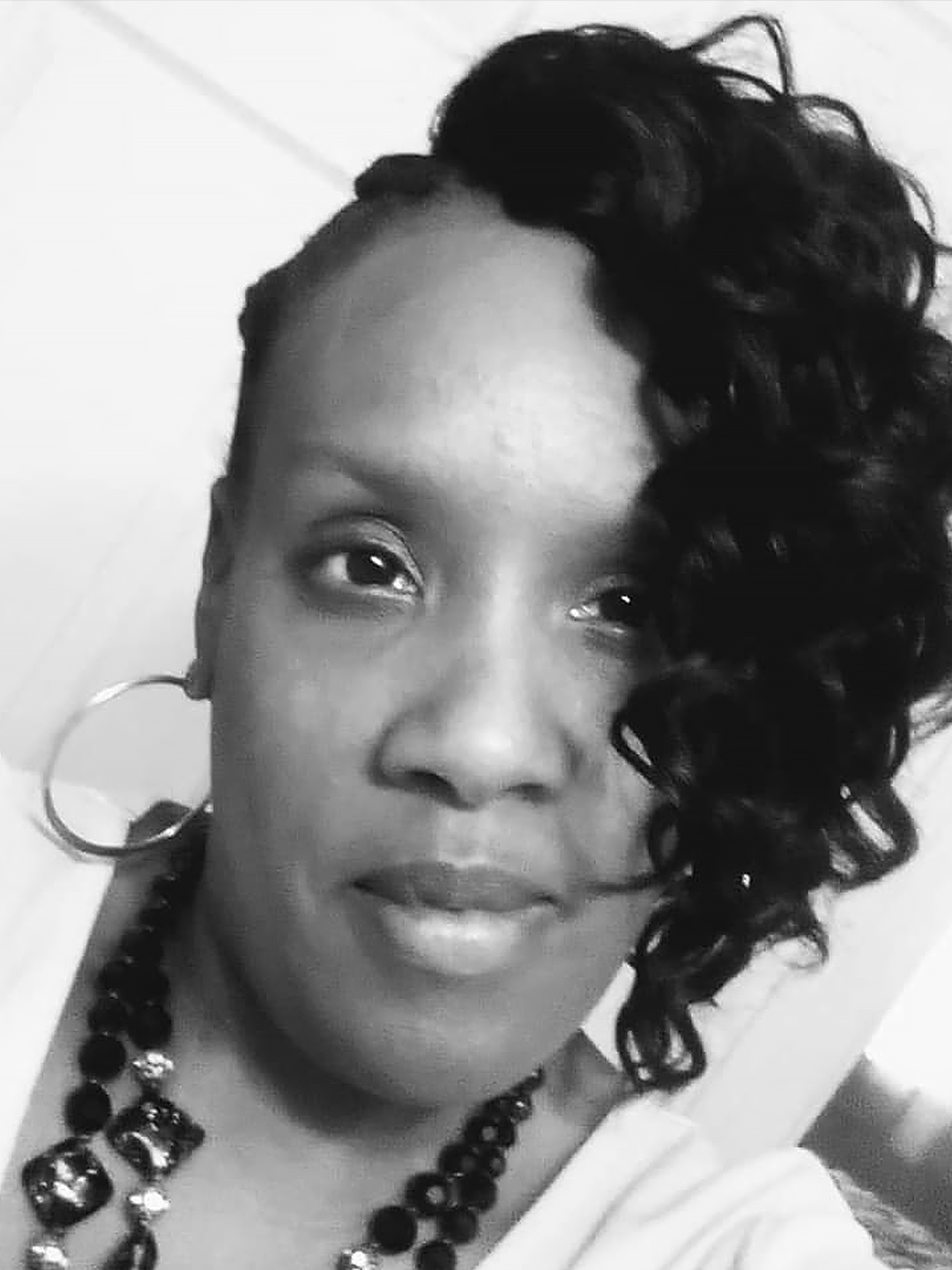
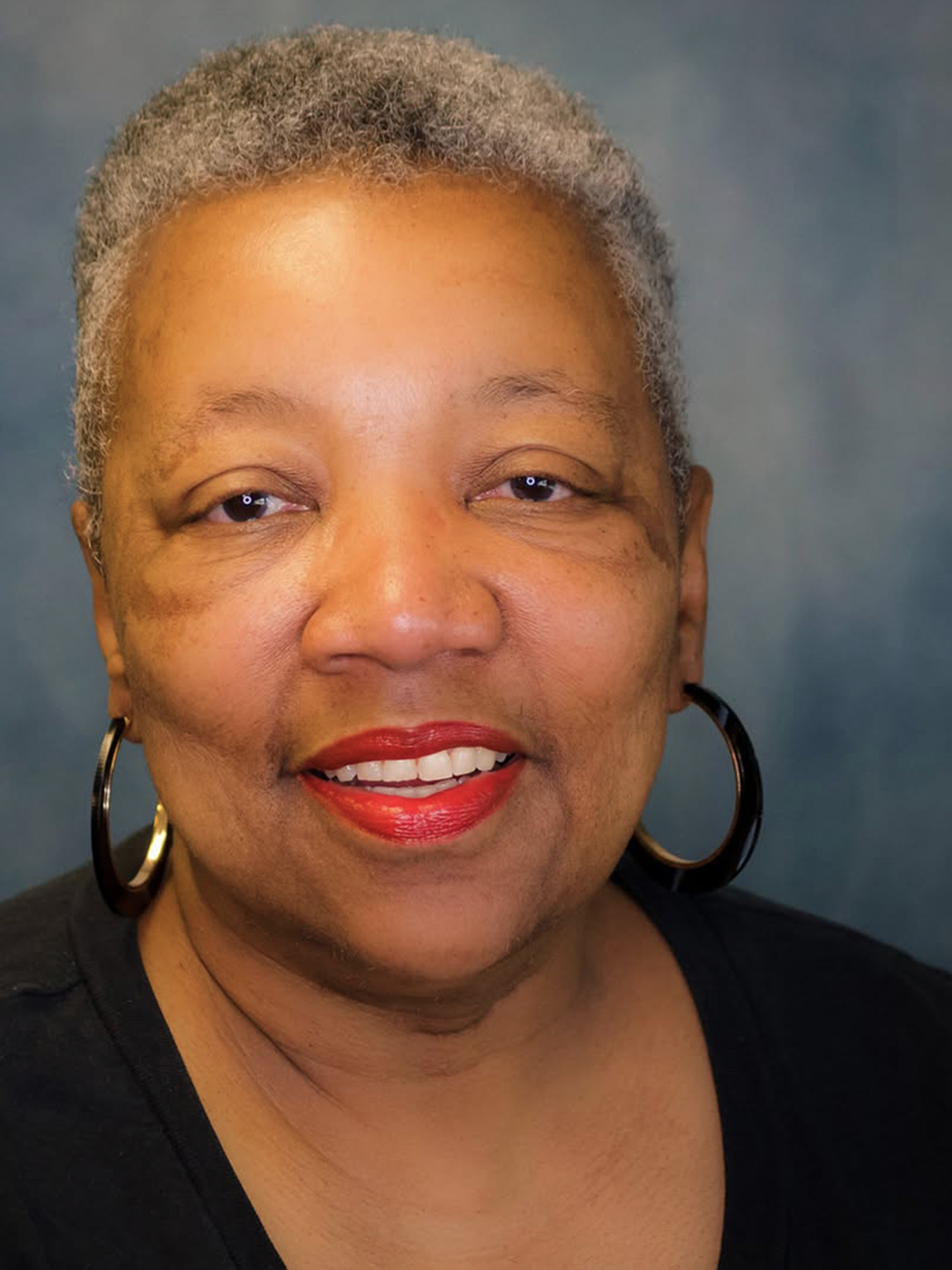
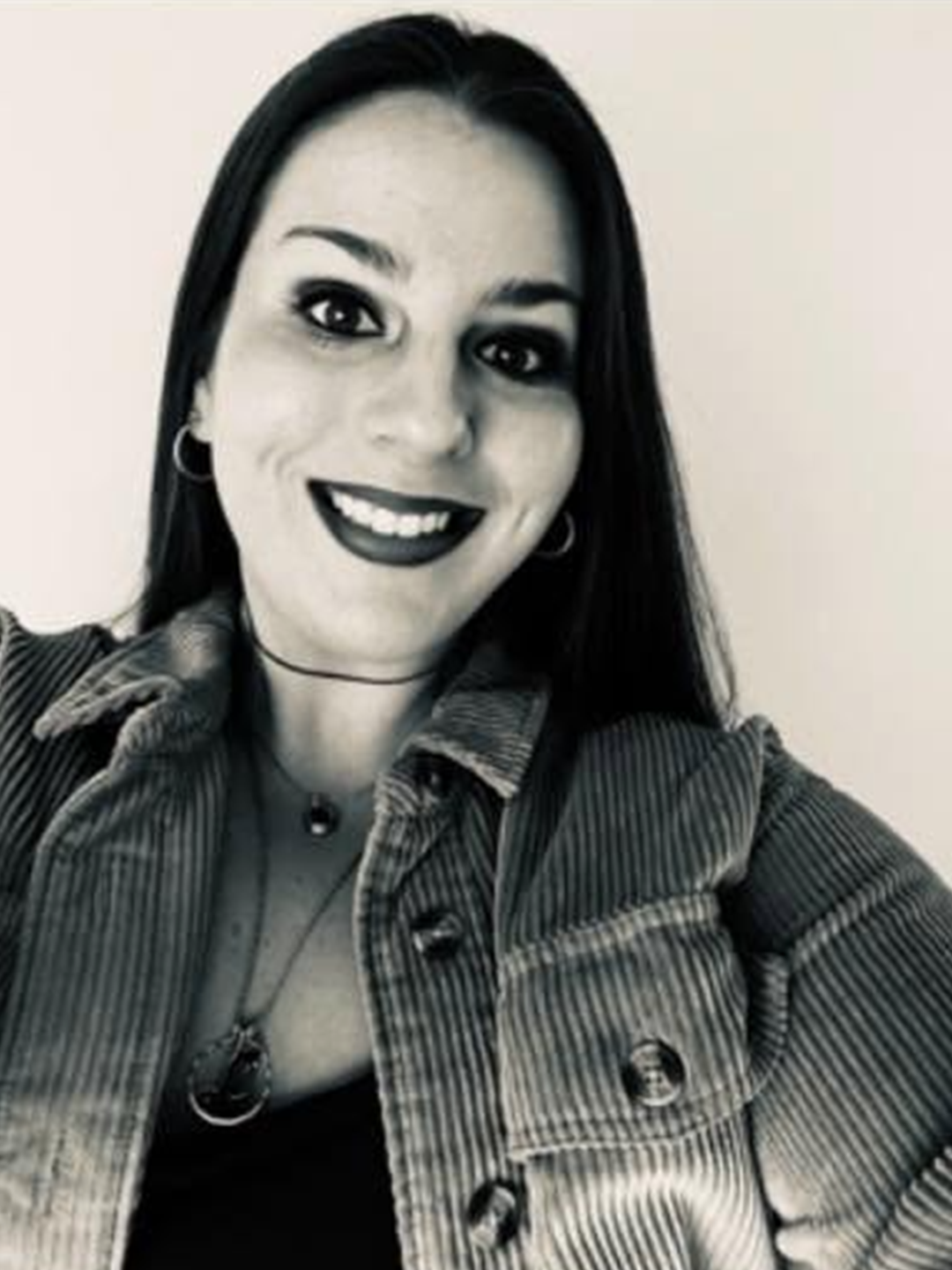
A black and white headshot of Trae Greenleaf, a black woman with a slight smile in a white blouse complimented by black jewelry.

Tracina Greenleaf introduces herself like this:

“My name is Tracina, but people call me ‘Trae,’ which stands for Transition, Reform, Advocate and Educate. That’s my name, and it’s what I stand for.”

As operations manager for the YWCA Central Indiana, Trae spoke with Ball State students about the organization’s work to eliminate racism, empower women, promote social justice and help families in the seven counties it serves.
“Our residents are your friends, your grandmother. They are me and you, and they — like all of us — deserve respect and dignity,” she said.

Trae gave an example. She often does — because in her line of work, examples remind people of their shared humanity. She’s not talking about abstract concepts like “poverty,” “assault” or “hunger.” She is talking about people.

“We recently had some high school students stay with us — a set of twins at Muncie Central and a young woman at Delta. You would have never known they were unhoused,” she said. “They were popular, engaging — the whole nine yards. We helped them go to prom and had graduation parties for them here at the YWCA. We told them, ‘You don’t need to tell people you are staying upstairs, just that you rented a room here for the party.’”

Trae got teary, and so did the students.

“One of those kids is now in nursing school and working for a congress person,” she added. “She’s doing really well — one of our success stories.”

More than 40% of those served at the YWCA Central Indiana are between the ages of 0 and 17, according to the organization.

Trae and her staff do “anything and everything” for more success stories among the roughly 600 people they serve each year. The YWCA partners with Ball State, Ivy Tech, Meridian Health Services and more to provide mental and social support to those in need. They provide education about financial literacy, housing, healthcare and professional development. They also meet basic needs for clothing, food and daily essentials.

“We are the only residential stay program for women in seven counties, and we are the state’s only YWCA that accepts mothers with sons over age 10 into its emergency shelter and temporary stay programs,” she said. “We are committed to keeping families together.”
Trae and Executive Director, WaTasha Barnes Griffin, fill their calendars speaking to clubs, churches and schools to advocate for the organization’s mission and to spread awareness about needs in the region. They join their staff at informational tables and benefit walks. They stock shelves, help women budget, and read bedtime stories to the YWCA’s youngest residents.

“We will stop when the work is done,” Trae said, “and the work will never be ‘done.’”
Learn more about the YWCA Central Indiana at ywcacentralindiana.org. The site includes a donation list, information about upcoming events and ways to get involved.
Not everyone has the same opportunities or access, she told the students. “So, when people say or think our residents should just ‘pull themselves up by their bootstraps,’ I say, ‘They never had the boots, let alone the straps.’”

Trae cares about all the nonprofit’s priorities, but she is especially focused on affordable housing. For every 100 extremely low-income renters in Indiana, only 38 affordable and available housing options exist, according to Prosperity Indiana and the National Low Income Housing Coalition. Nationally, more than a third of extremely low-income renters work, another third are seniors, and many have a disability or are students and caregivers.

“People who struggle to pay rent also tend to have trouble paying for other basic necessities — often sacrificing things like food, healthcare or childcare to have place to live,” Trae said. “And then, a car accident or unexpected medical bill prevents them from going to work, and then they are out on the street or bouncing from couch to couch. A warm home is the foundation for a stable life.”

A student raised her hand: “What can we do?”

Trae didn’t hesitate: “Vote.”

“I won’t tell you who or what to vote for, but I will tell you to vote based on the interests of your family and your community,” she added. “Yes, of course, you can volunteer and donate and spread awareness, but you — we all — have the greatest impact with our vote to set the priorities for our government.”

Trae is giving her $20 donation to support the YWCA, but what can $20?

“More than you think,” Trae said. “Every donation — just like every bottle of shampoo — helps. Everyone can make a difference in their own way. Too many people don’t give of their time, talents or money because they don’t think it’s enough. It is.”

Learn more about the YWCA Central Indiana at ywcacentralindiana.org or check them out on Facebook and Instagram.

Thank you to Muncie Action Plan and CenterPoint Scholars for supporting these small but meaningful investments in community. Go to Twenty Forward to read this and other stories about what your neighbors are doing with $20.
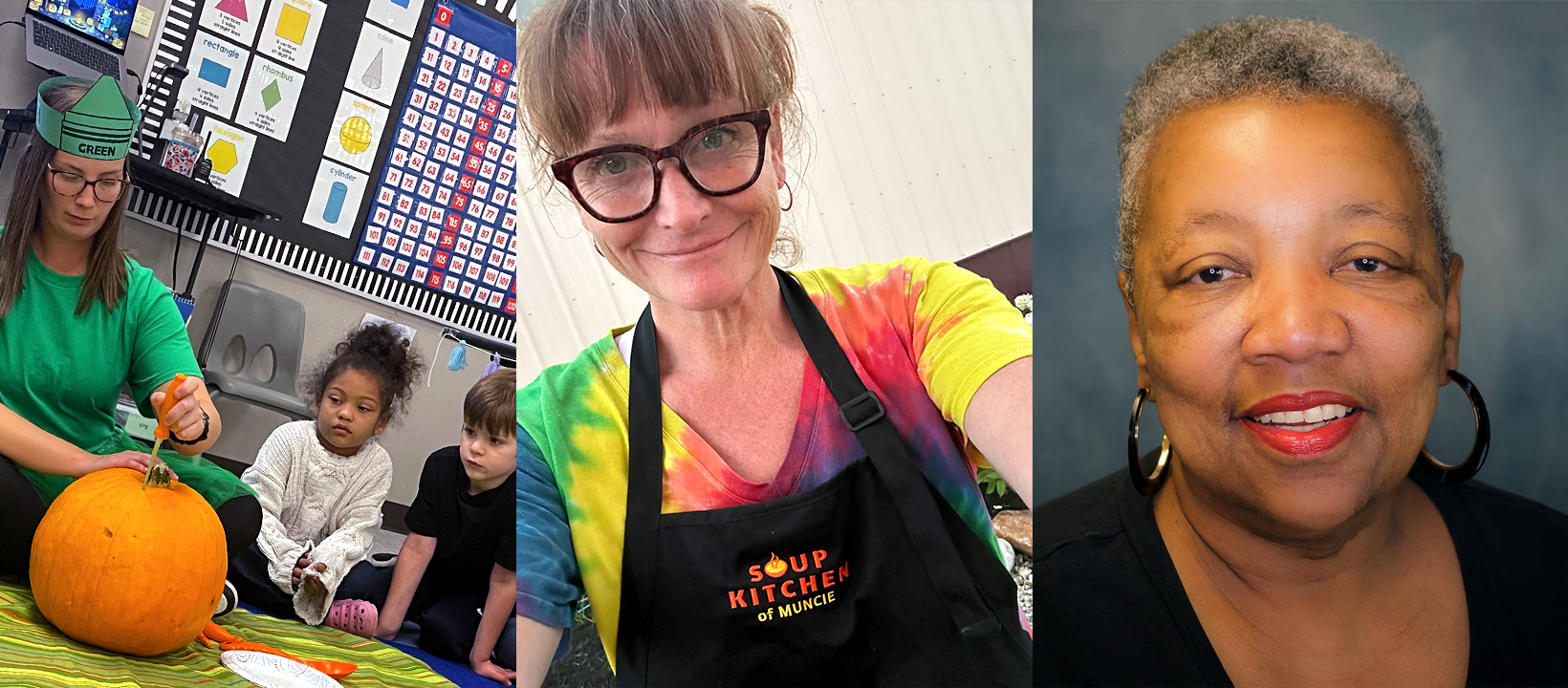
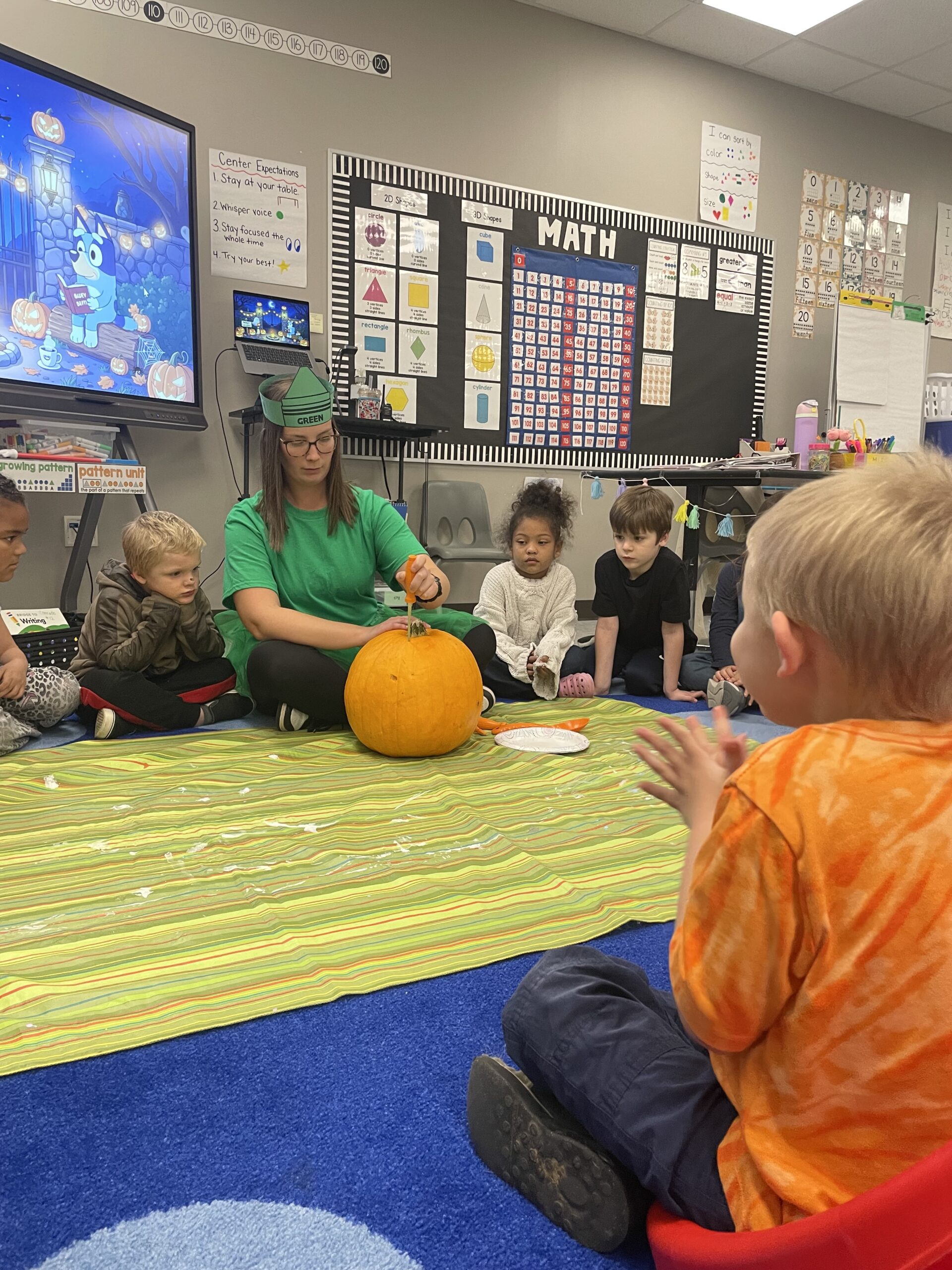
Mary Kult sits on a colorful floor surrounded by attentive children who watch her carve a pumpkin

Mary Kult

Rooted in love

Christiana Mann selfie - she is wearing a rainbow tie dye shirt under a black apron with a "Soup Kitchen of Muncie" logo on it.

Christiana Mann

Hospitality with heart

Spring 2021 Ball State Immersive Learning Projects

Student studying the back of a solar panel

Ball State faculty, students, and community partners worked together this spring on a number of immersive learning projects in and around Muncie.

Anthony Northside Neighborhood Living Quality
Faculty Mentor:  Jason Yang, Department of Geography
Community Partner:  Muncie Action Plan, Anthony Northside Neighborhood Association

Brightfield to Bright Future
Faculty Mentor: Sanglim Yoo
Community Partner: Sierra Club Hoosier Chapter

More to come!

Human Rights Symposium

Created in 1964, the Muncie Human Rights Commission studies problems related to discrimination in the city and advocates for quality in education, employment, youth recreation, and housing regardless of race, color, creed, or nationality. Students in this immersive project worked with the Human Rights Commission and other local institutions to develop, administer, and evaluate a Human Rights Symposium for the Muncie community. The purpose of the meeting was to increase awareness for residents’ human rights and the City of Muncie Human Rights Commission’s mission, services, and the process for filing and investigating complaints.


Faculty Mentor: Ruby Cain
Department: Educational Studies
Community Partners: City of Muncie Human Rights Commission, Industry Neighborhood Association, Whitely Community Council, Muncie Public Library, Muncie Housing Authority, It Is Well With My Soul, DePaul University School of New Learning and Service Engagement Projects, Northeast Indiana Workers Project, Inc.
Student Team:Karen Lloyd; Christina Martzall; Althea McWilliams; Taylor Mullins, Dewayne Richmond; Jenny Schultz; Alex Stoltie; Christinia Scott; and Danielle Vorhees

Spring 2020 Ball State Immersive Learning Projects

Ball State faculty, students, and community partners worked together this spring on a number of immersive learning projects in and around Muncie.

Academy of Model Aeronautics Video Project
Faculty Mentors: Tim Pollard, Department of Telecommunications; Suzanne Plesha, Office of Immersive Learning
Community Partner: Academy of Model Aeronautics

Assigning the Living Quality of Muncie Neighborhoods Using Remote Sensing and GIS
Faculty Mentor:  Jason Yang, Department of Geography
Community Partner:  Muncie Action Plan

Beneficence Records (ongoing)
Faculty Mentor:  Daniel Porter, Department of Music Media Production
Community Partner:  Indiana Public Radio

Capturing “The Big Idea”
Faculty Mentor: Melinda Messineo, Department of Sociology
Community Partner: Second Harvest Food Bank

Geospatial Design Laboratory
Faculty Mentor: Jörn Seemann, Department of Geography
Community Partner: Muncie Visitors Bureau

Halteman Park Landscape Architecture Studio Project
Faculty Mentors:  Chris Baas, Jeremy Merrill, J.P. Hall; Department of Landscape Architecture
Community Partners:  Halteman Village Neighborhood Association, City of Muncie, Muncie Parks Department

Human Rights Symposium
Faculty Mentor: Ruby Cain, Department of Educational Studies
Community Partners: City of Muncie Human Rights Commission, Industry Neighborhood Association, Whitely Community Council, Muncie Public Library, Muncie Housing Authority, It Is Well With My Soul, DePaul University School of New Learning and Service Engagement Projects, Northeast Indiana Workers Project, Inc.

i-Made (Indiana Made) Muncie:  Custom Fabricated Design-through-Production (ongoing)
Faculty Mentor:  Kevin Klinger, Department of Architecture
Community Partners:  Indiana Hardwoods (IHLA), Midwest Metals, Minnetrista, Mobile Market

The Junior Producers Club
Faculty Mentor:  Christoph Thompson, School of Music
Community Partners:  Boys and Girls Club, Buley Community Center

Muncie Neighborhood Visual Identity Design (ongoing)
Faculty Mentor:  Shantanu Suman, School of Art
Community Partners:  Building Better Neighborhoods, Muncie Action Plan

Preserving the Past and Looking Toward the Future:  Historic Preservation and Digital Storytelling for a Muncie Landmark Church
Faculty Mentor:  Peggy Fisher, Department of Communication Studies
Community Partner:  St. Mary Catholic Church

Renovation of Residential Structures
Faculty Mentor: Janet Fick, Department of Construction Management and Interior Design
Community Partners: ecoREHAB, Urban Light, and Brothers 2 Brothers

Sustainable Muncie Project:  Assessing Sustainability for the City of Muncie
Faculty Mentor:  Sanglim Yoo, Department of Urban Planning
Community Partner: Muncie Action Plan

Teen Dating Violence
Faculty Mentor: Ron Dolon, Department of Social Work
Community Partner: A Better Way

Tourist Maps for Muncie and Delaware County
Faculty Mentor: Jörn Seemann, Department of Geography
Community Partner: Muncie Visitors Bureau

Urban Health in Muncie, IN:  Pb in the Soils (ongoing)
Faculty Mentors:  Carolyn Dowling, Department of Geological Sciences; Jessi Haeft, Department
of Natural Resources and Environment Management
Community Partner:  United Way of Delaware County

Well Connected 
Faculty Mentor:  Jane Ellery, School of Kinesiology
Community Partners:  Muncie Action Plan, Future of Work/Sustainable Muncie, George and Frances Ball Foundation

Working with the Whitely Community to Identify Needs and Resources of Men who are Reentering the Community After Periods of Incarceration
Faculty Mentor:  Keisha Warren-Gordon, Department of Criminal Justice and Criminology
Community Partner:  Whitely Community Council

Fall 2019 Ball State Immersive Learning Projects

Ball State faculty, students, and community partners worked together this Fall on a number of immersive learning projects in and around Muncie.

Beneficence Records (ongoing)
Faculty Mentor:  Daniel Porter, School of Music
Community Partner:  Indiana Public Radio

Campus Sexual Assault and Rape Culture in the Age of #MeToo 
Faculty Fellow:  Jill Christman, Department of English
Community Partner:  Jana’s Campaign and The Facing Project

Computer Science for Middle Schoolers (CS4MS) (ongoing)
Faculty Mentor:  Dave Largent, Department of Computer Science
Community Partners:  Burris Laboratory School, Muncie Central High School, Northside Middle School

i-Made (Indiana Made) Muncie:  Custom Fabricated Design-through-Production (ongoing)
Faculty Mentor:  Kevin Klinger, Department of Architecture
Community Partners:  Indiana Hardwoods (IHLA), Midwest Metals, Minnetrista, Mobile Market

The Junior Producers Club
Faculty Mentor:  Christoph Thompson, School of Music
Community Partners:  Boys and Girls Club, Buley Community Center

Makerspaces as an Opportunity to Cultivate and Reinforce Cultural Identity in Post-Industrial Cities 
Faculty Fellow:  Laura Romano, Department of English
Community Partner:  Muncie Arts and Culture Council

Muncie Micro-Cinema
Faculty Mentor:  Maura Jasper, School of Art
Community Partner:  Muncie Arts and Culture Council

Muncie Neighborhood Visual Identity Design (ongoing)
Faculty Mentor:  Shantanu Suman, School of Art
Community Partners:  Building Better Neighborhoods, Muncie Action Plan

Preserving the Past and Looking Toward the Future:  Historic Preservation and Digital Storytelling for a Muncie Landmark Church
Faculty Mentor:  Peggy Fisher, Department of Communication Studies
Community Partner:  St. Mary Church

Reconstructed Early Language and Literacy Learning: Addressing school readiness through critically conscious listening centers
Faculty Mentors:  Emily Hoffman, Department of Early Childhood, Youth and Family Studies; Kristin Cipollone, Department of Elementary Education
Community Partner:  Huffer Memorial Children’s Center

Resiliency Plan for Muncie
Faculty Mentor: Michael Burayidi, Department of Urban Planning
Community Partner: City of Muncie

Sitting at the Feet of our Muncie Elders:  Stories of Resistance and Resiliency
Faculty Mentor: Darolyn “Lyn” Jones
Community Partner: Westminster Village, Muncie Delaware County Senior Center, Moth Danner and YART (Yard Sale for Art).