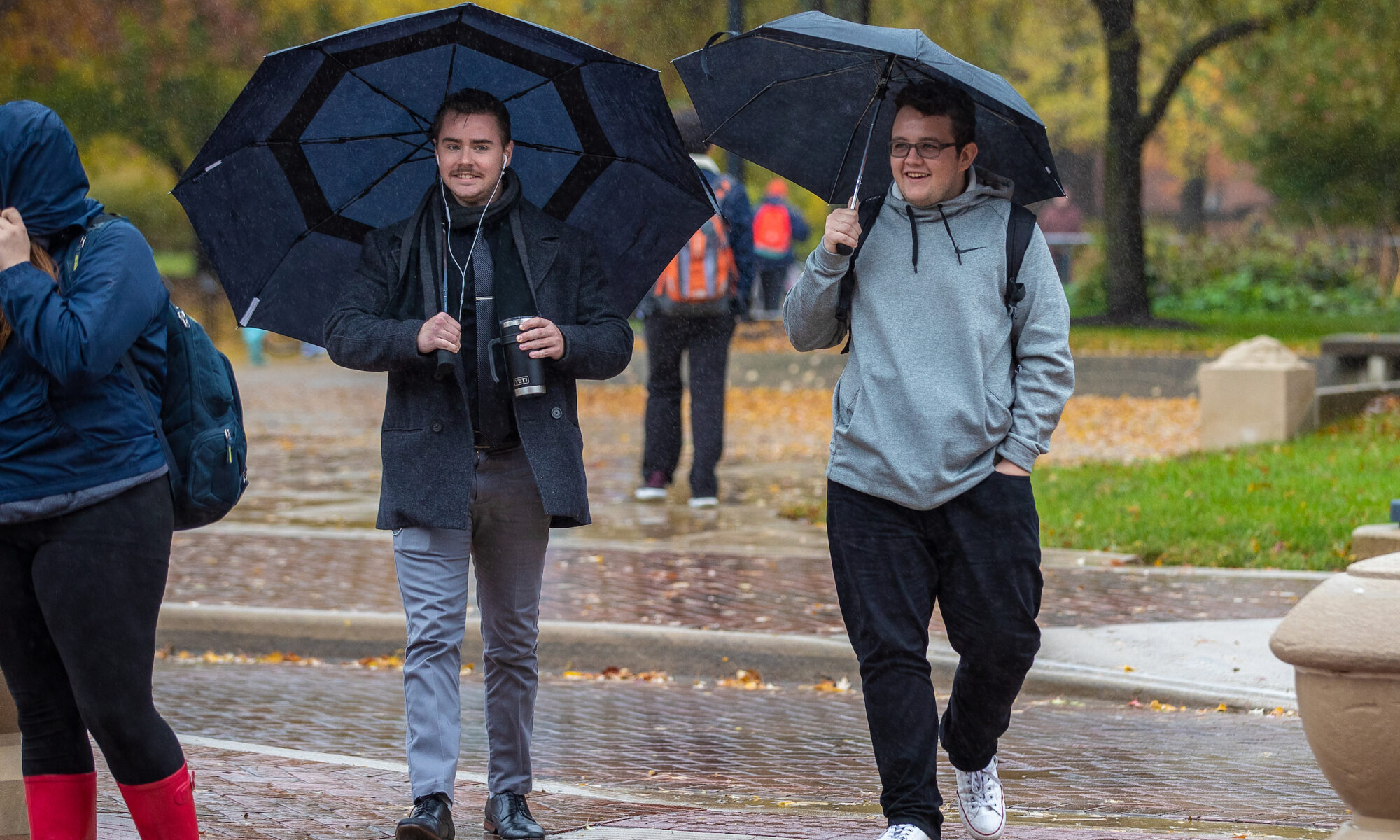
Nervous about visiting campus? Take a look at the Office of Community Engagement’s handy Getting to Campus resource for parking/public transit information!
Click the links for more information. Some events may be off-campus or have registration requirements.
Wednesday, April 1, 2026
- BSU Animation Showcase – 10 a.m.
- Reception and Gallery Talk: BSU Animation Showcase – 4 p.m.
- Junior Recital: Destiney Rivers, oboe – 5:30 p.m.
- Gamma Saxophone Quartet – 5:30 p.m.
- Spring Senior Capstones – What the Constitution Means to Me – 7:30 p.m.
- Tuba-Euphonium Studio Recital – 7:30 p.m.
Thursday, April 2, 2026
- BSU Animation Showcase – 10 a.m.
- Spring Senior Capstones – What the Constitution Means to Me – 7:30 p.m.
- Trombone Choir Recital – 7:30 p.m.
Friday, April 3, 2026
- BSU Animation Showcase – 10 a.m.
- Mindfulness in the Museum – 12 p.m.
- Card Making Class – 2 p.m.
- Student Recital: Nathan Ullrich, percussion – 5:30 p.m.
- Faculty Recital: Yu-Fang Chen, violin and Michael Seregow, piano – 5:30 p.m.
- Senior Recital: Kathryn Tenbarge, cello – 7:30 p.m.
Saturday, April 4, 2026
- Kids Make Art at DOMA – 1:30 p.m.
- DA Performance Recital: Qihao Zhang, piano – 5:30 p.m.
Monday, April 6, 2026
- Faculty Recital: Sharif Ibrahim, bass – 5:30 p.m.
- Junior Recital: Dilnaz Kozybakova, violin – 7:30 p.m.
Tuesday, April 7, 2026
- BSU Animation Showcase – 10 a.m.
- Lifelong Learners: The Madness of John Terrell: Revenge and Insanity on Trial in the Heartland – 1:30 p.m.
- Jazz Combos – 5:30 p.m.
- Studio Band at the Jazz Kitchen – 7 p.m.
- Spring Senior Capstones – What the Constitution Means to Me – 7:30 p.m.
Wednesday, April 8, 2026
- BSU Animation Showcase – 10 a.m.
- Spring Senior Capstones – What the Constitution Means to Me – 7:30 p.m.
Thursday, April 9, 2026
BSU Animation Showcase – 10 a.m.
Conversations in Entrepreneurship and Leadership Series with Marcus Hall – 11 a.m.
A Journey in Microcosm – An Artist Talk with Jiyong Lee – 6 p.m.
Student Recital: Cam DeVore, voice – 7:30 p.m.
Spring Senior Capstones – What the Constitution Means to Me – 7:30 p.m.
Friday, April 10, 2026
- BSU Animation Showcase – 10 a.m.
- “One World, One Sky: Big Bird’s Adventure” 5pm Kids Planetarium Show – 5 p.m.
- Flute Studio Recital – 5:30 p.m.
- “We Are Stars” 6:30pm Planetarium Show – 6:30 p.m.
- THED Show: The Miraculous Journey of Edward Tulane – 7 p.m.
- University Singers 62nd Annual Spectacular – 7 p.m.
- Spring Senior Capstones – What the Constitution Means to Me – 7:30 p.m.
- Senior Recital: Nikolas Fisher, clarinet – 7:30 p.m.
Saturday, April 11, 2026
- A BIG READ Tour: Food in Art! – 2:30 p.m.
- University Singers 62nd Annual Spectacular – 3 p.m.
- “One World, One Sky: Big Bird’s Adventure” 3:30pm Kids Planetarium Show – 3:30 p.m.
- “Sunset Meditation” 5pm Planetarium Show – 5 p.m.
- “We Are Stars” 6:30pm Planetarium Show – 6:30 p.m.
- THED Show: The Miraculous Journey of Edward Tulane – 7 p.m.
- Spring Opera – The Marriage of Figaro – 7:30 p.m.
Sunday, April 12, 2026
- Spring Opera – The Marriage of Figaro – 3 p.m.
- DA Lecture Recital: Yu-Hsuan (Kimi) Lee, cello – 7:30 p.m.
Monday, April 13, 2026
- 2026 Immersive Learning Showcase – 1 p.m.
- Woodwind Chamber Music Recital – 5:30 p.m.
- DA Performance Recital: Tongyu Wang, piano – 7:30 p.m.
- String Chamber Recital – 7:30 p.m.
Tuesday, April 14, 2026
- BFA Studio Art Senior Capstone Exhibitions I, II, and III – 10 a.m.
- Conversations in Entrepreneurship and Leadership Series with Felix Medina – 11 a.m.
- Lifelong Learners: History and Heritage of the Harp – 1:30 p.m.
- Jazz Combos – 5:30 p.m.
- Emily Esfahani Smith at Ball State University – 7 p.m.
- An Evening with Emily Esfahani Smith – 7 p.m.
- Trombone Studio Recital – 7:30 p.m.
Wednesday, April 15, 2026
- BFA Studio Art Senior Capstone Exhibitions I, II, and III – 10 a.m.
- Loosey Goosey Opposites – 1 p.m.
- Reception I: BFA Studio Art Senior Capstone Exhibitions I, II, and III – 4 p.m.
- DA Performance Recital: Wenqing Yin, piano – 5:30 p.m.
- Spring Senior Capstones – Listen! ¡Escucha! And all the other beautiful languages – 7:30 p.m.
- AD Recital: Eunsong Kim, piano – 7:30 p.m.
Thursday, April 16, 2026
- BFA Studio Art Senior Capstone Exhibitions I, II, and III – 10 a.m.
- Piano Studio Recital – 5:30 p.m.
- Ball State Campus Band – 7:30 p.m.
- The 25th Annual Putnam County Spelling Bee – 7:30 p.m.
- Spring Senior Capstones – Listen! ¡Escucha! And all the other beautiful languages – 7:30 p.m.
- Oboe Studio Recital – 7:30 p.m.
Friday, April 17, 2026
- BFA Studio Art Senior Capstone Exhibitions I, II, and III – 10 a.m.
- Mindfulness in the Museum – 12 p.m.
- Twenty First Annual Miller College Alumni Awards – 12 p.m.
- “Follow the North Star” 5pm Live Planetarium Show – 5 p.m.
- Junior Recital: Brittany Semler, clarinet – 5:30 p.m.
- “Follow the North Star” 6:30pm Live Planetarium Show – 6:30 p.m.
- THED Show: Back to the 80s – 7 p.m.
- THED Show: Oz! – 7 p.m.
- The 25th Annual Putnam County Spelling Bee – 7:30 p.m.
- Spring Senior Capstones – Listen! ¡Escucha! And all the other beautiful languages – 7:30 p.m.
Saturday, April 18, 2026
- DA Performance Recital: Linzi Xu, piano – 12 p.m.
- Senior Recital: Dylan Piazzoni and Franny Church, voice – 2 p.m.
- Saturday Spotlight Tour: Nora Krug exhibition – 2:30 p.m.
- DA Lecture Recital: Yuliya Turok, viola – 3 p.m.
- DA Performance Recital: Yunying Dong, piano – 3 p.m.
- Junior Recital: Elle Crook, viola – 5:30 p.m.
- THED Show: Back to the 80s – 7 p.m.
- THED Show: Oz! – 7 p.m.
- The 25th Annual Putnam County Spelling Bee – 7:30 p.m.
- Chamber Choir – 7:30 p.m.
- Spring Senior Capstones – Listen! ¡Escucha! And all the other beautiful languages – 7:30 p.m.
- DA Performance Recital: Wallie Lewis, viola – 7:30 p.m.
Sunday, April 19, 2026
- The 25th Annual Putnam County Spelling Bee – 2:30 p.m.
- Spring Senior Capstones – Listen! ¡Escucha! And all the other beautiful languages – 2:30 p.m.
- Faculty Artist Series: Lisa Kozenko (oboe) and Catherine Kautsky (piano) – 3 p.m.
- GR Lecture Recital: Cinthia Matias Fernandes, cello – 3 p.m.
- Senior Recital: Kristen Asato, composition – 5:30 p.m.
- THED Show: Oz! – 7 p.m.
- Spring Senior Capstones – Listen! ¡Escucha! And all the other beautiful languages – 7:30 p.m.
- GR Performance Recital: Edmund Quint Johnson V, saxophone – 7:30 p.m.
- Horn Studio Recital – 7:30 p.m.
Monday, April 20, 2026
- Viola Studio Recital – 7:30 p.m.
Tuesday, April 21, 2026
- BFA Studio Art Senior Capstone Exhibitions I, II, and III – 10 a.m.
- Conversations in Entrepreneurship and Leadership Series with Darius and Kirsten Norwood – 11 a.m.
- Lifelong Learners: Sixth Child to First Lady – 1:30 p.m.
- From Manuscript to Market: Navigating the Path to Publication – 2:30 p.m.
- Senior Recital: Leo Gutman, violin – 5:30 p.m.
- The 25th Annual Putnam County Spelling Bee – 7:30 p.m.
- New Music Ensemble – 7:30 p.m.
- DA Lecture Recital: Korn Roongruangchai, violin – 7:30 p.m.
Wednesday, April 22, 2026
- BFA Studio Art Senior Capstone Exhibitions I, II, and III – 10 a.m.
- Mindful Art Viewing – 12 p.m.
- Reception II: BFA Studio Art Senior Capstone Exhibitions I, II, and III – 4 p.m.
- Ball State Jazz Ensembles – 7:30 p.m.
- The 25th Annual Putnam County Spelling Bee – 7:30 p.m.
Thursday, April 23, 2026
- BFA Studio Art Senior Capstone Exhibitions I, II, and III – 10 a.m.
- Junior Recital: Gabrianna Bruestle, voice – 5:30 p.m.
- Spring Choreography Projects – 7:30 p.m.
- Duende Libre – 7:30 p.m.
- The 25th Annual Putnam County Spelling Bee – 7:30 p.m.
- Studio Band and Josh Kaufman – 7:30 p.m.
- Junior Recital: Lisa Zhukov, violin – 7:30 p.m.
Friday, April 24, 2026
- BFA Studio Art Senior Capstone Exhibitions I, II, and III – 10 a.m.
- Beginning Needlepoint – 10 a.m.
- “One World, One Sky: Big Bird’s Adventure” 5pm Kids Planetarium Show – 5 p.m.
- Violin Studio Recital – 5:30 p.m.
- “We Are Stars” 6:30pm Planetarium Show – 6:30 p.m.
- Spring Choreography Projects – 7:30 p.m.
- The 25th Annual Putnam County Spelling Bee – 7:30 p.m.
- Ball State Wind Symphony and Wind Ensemble – 7:30 p.m.
Saturday, April 25, 2026
- Harp Studio Recital – 10 a.m.
- GR Recital: Katelyn Hanes, voice – 1:30 p.m.
- Senior Recital: Jon Anderson, voice – 3 p.m.
- “One World, One Sky: Big Bird’s Adventure” 3:30pm Planetarium Show – 3:30 p.m.
- “Sunset Meditation” 5pm Planetarium Show – 5 p.m.
- “We Are Stars” 6:30pm Planetarium Show – 6:30 p.m.
- Spring Choreography Projects – 7:30 p.m.
- The 25th Annual Putnam County Spelling Bee – 7:30 p.m.
- Junior Recital: Jordan Wickey, saxophone – 7:30 p.m.
- Choirs – 7:30 p.m.
Sunday, April 26, 2026
- DA Lecture Recital: Jiaqi Jin, piano – 3 p.m.
- Junior Recital: Jackson Bentley, flute – 5:30 p.m.
- Senior Recital: Kale Bennett, composition – 7:30 p.m.
Monday, April 27, 2026
- DA Performance Recital: Yuanning Sun, piano – 5:30 p.m.
- Menopause the Musical 2: Cruising Through ‘The Change’ – 7 p.m.
- EM | Four – 7:30 p.m.
- AD Recital: Nina Vivo, violin – 7:30 p.m.
Tuesday, April 28, 2026
- BFA Studio Art Senior Capstone Exhibitions I, II, and III – 10 a.m.
- Lifelong Learners: Inventions, Ideas and Discoveries That Impacted the World – 1:30 p.m.
- Annual Friends of the Alexander M. Bracken Library Dinner and Kirkham Lecture – 6 p.m.
Wednesday, April 29, 2026
- BFA Studio Art Senior Capstone Exhibitions I, II, and III – 10 a.m.
- Reception III: BFA Studio Art Senior Capstone Exhibitions I, II, and III – 4 p.m.
Thursday, April 30, 2026
BFA Studio Art Senior Capstone Exhibitions I, II, and III – 10 a.m.